
The Galapagos Islands were on my bucket list even before I married an evolutionary biologist. 
They did not disappoint. The abundant wildlife of the area was obvious even before we boarded our boat.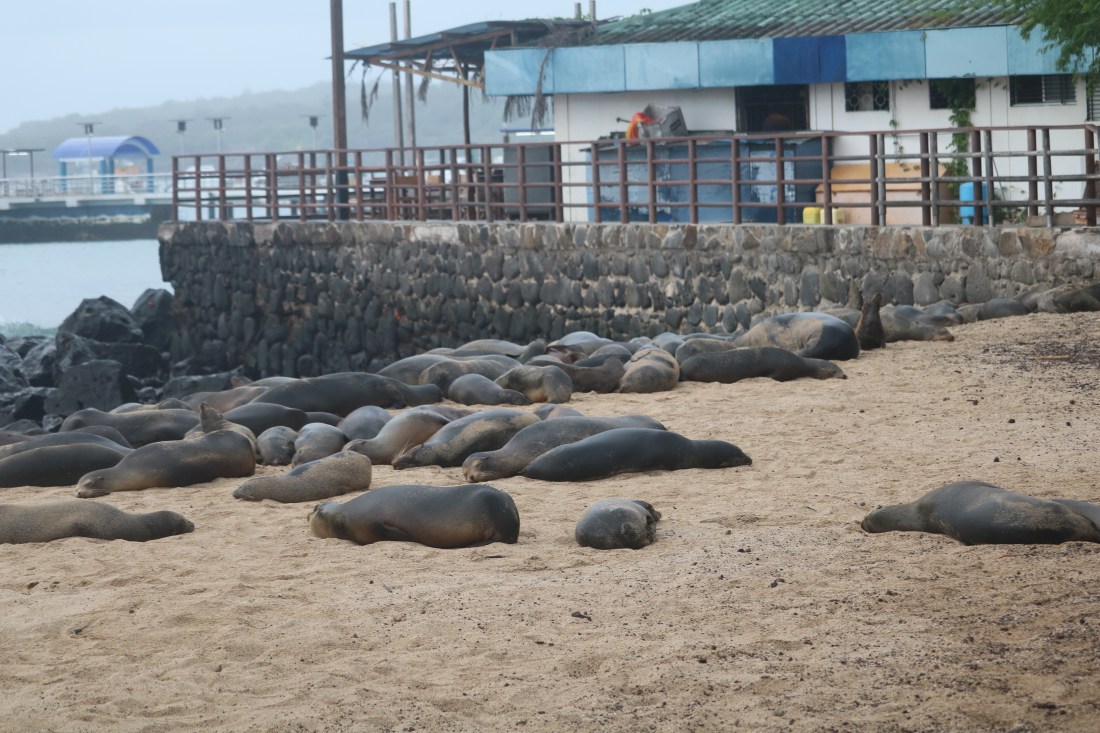
We spent seven days exploring a number of the northern and western islands (San Cristobal, Genovesa, Isabela, Fernandina, Santiago, Rabida, and Santa Cruz) aboard the boat M/Y Letty.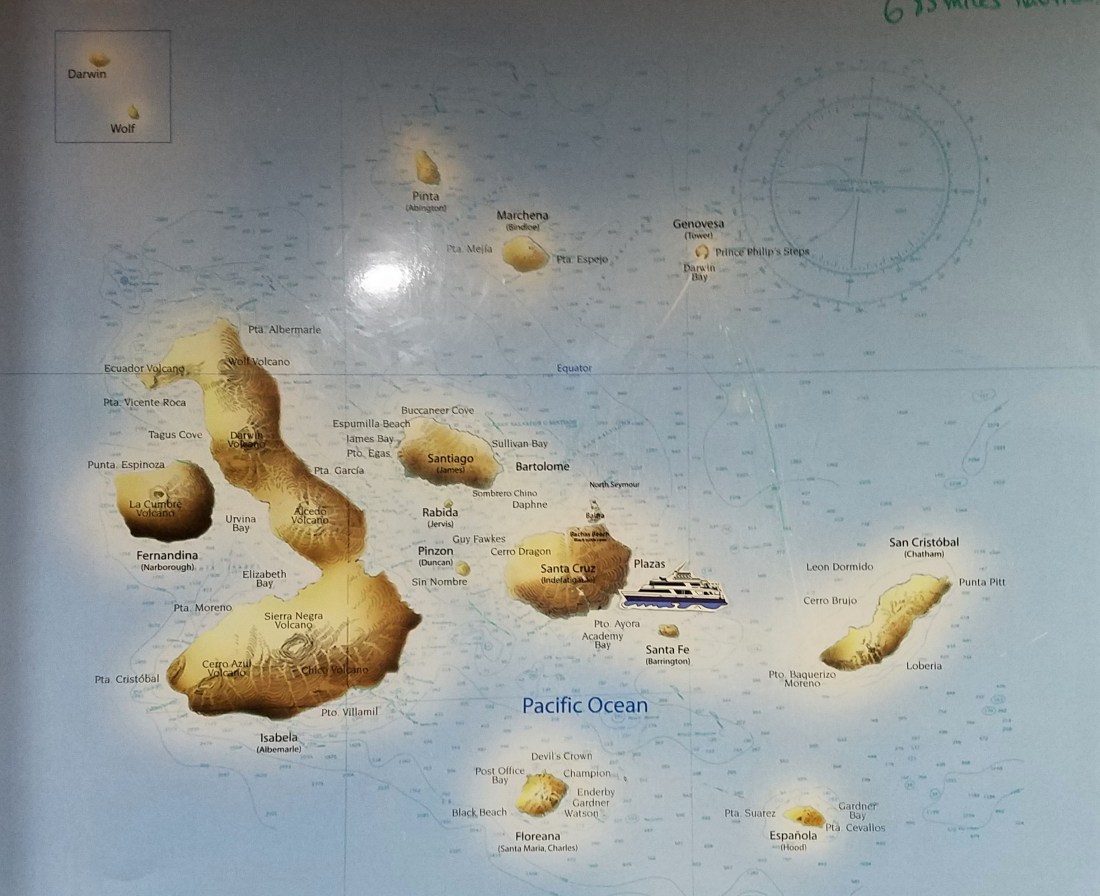
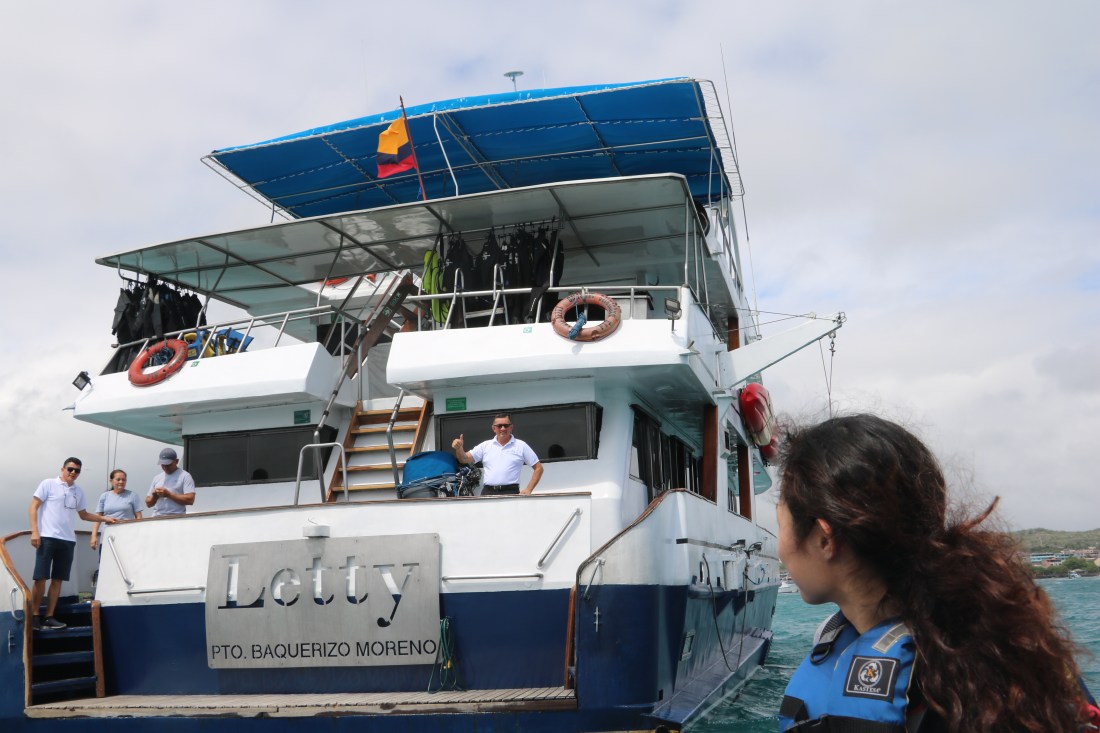
There were twenty passengers (including our good friends, David and Jaye) and two naturalists along with nine other crew members. The multiple daily field trips included hiking, snorkeling and cruising shorelines in a panga (Zodiac boat).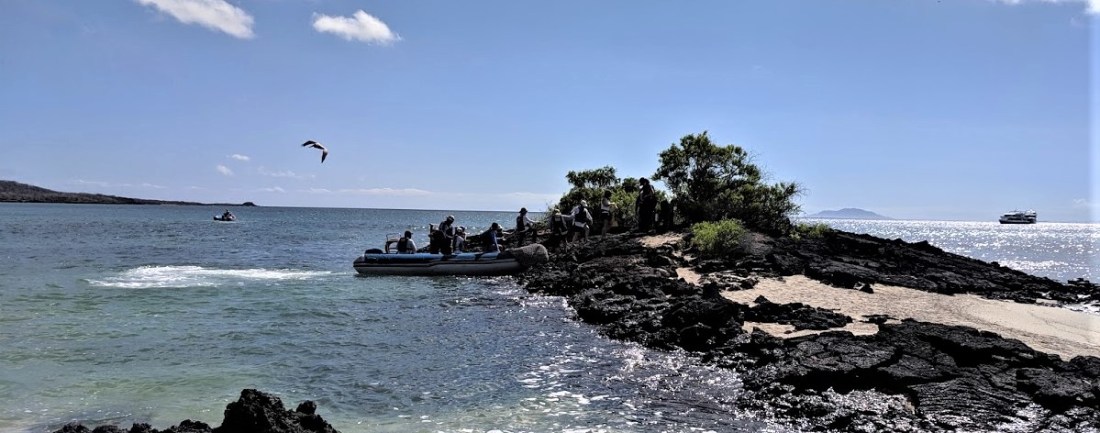
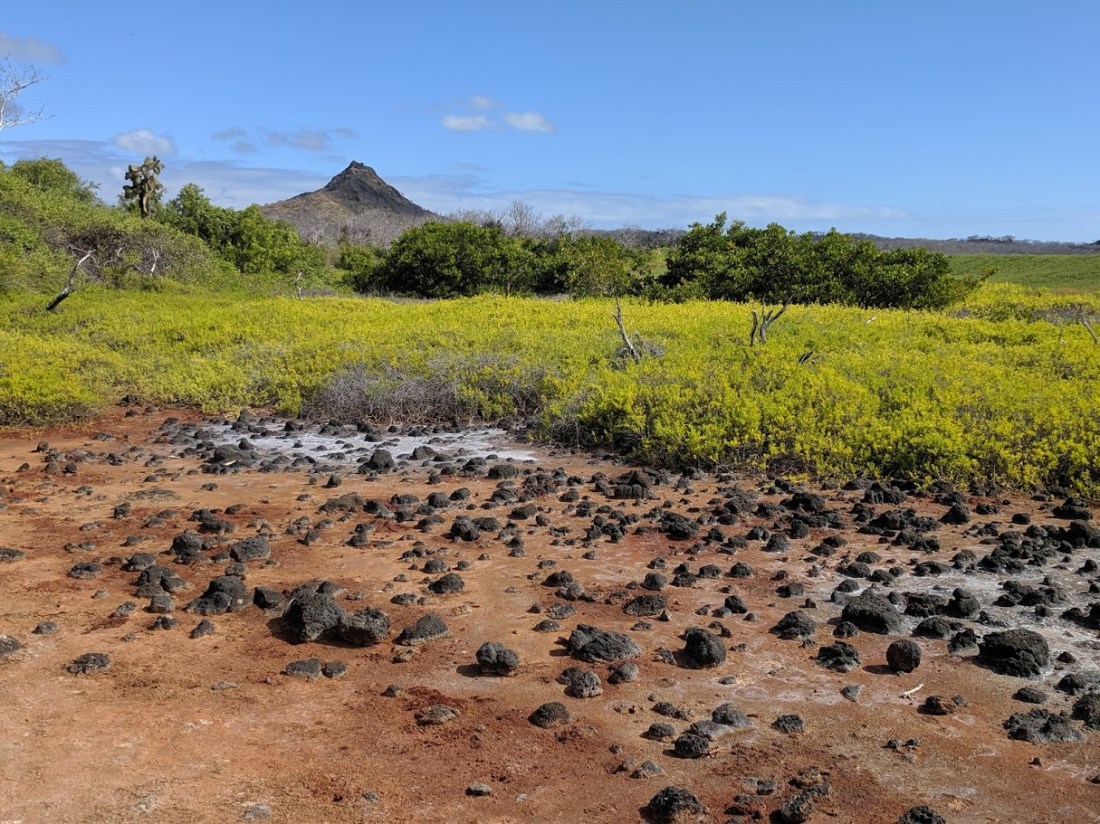
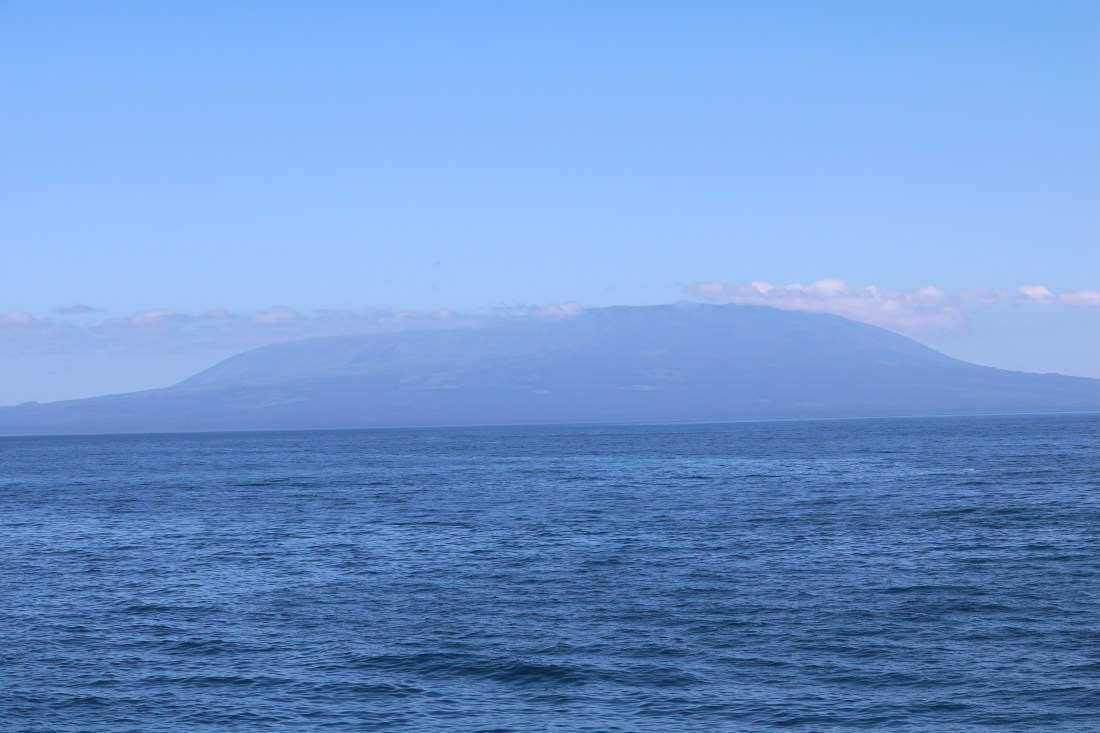
The wildlife was amazing but the landscapes and vegetation were also special.
There were volcanos.
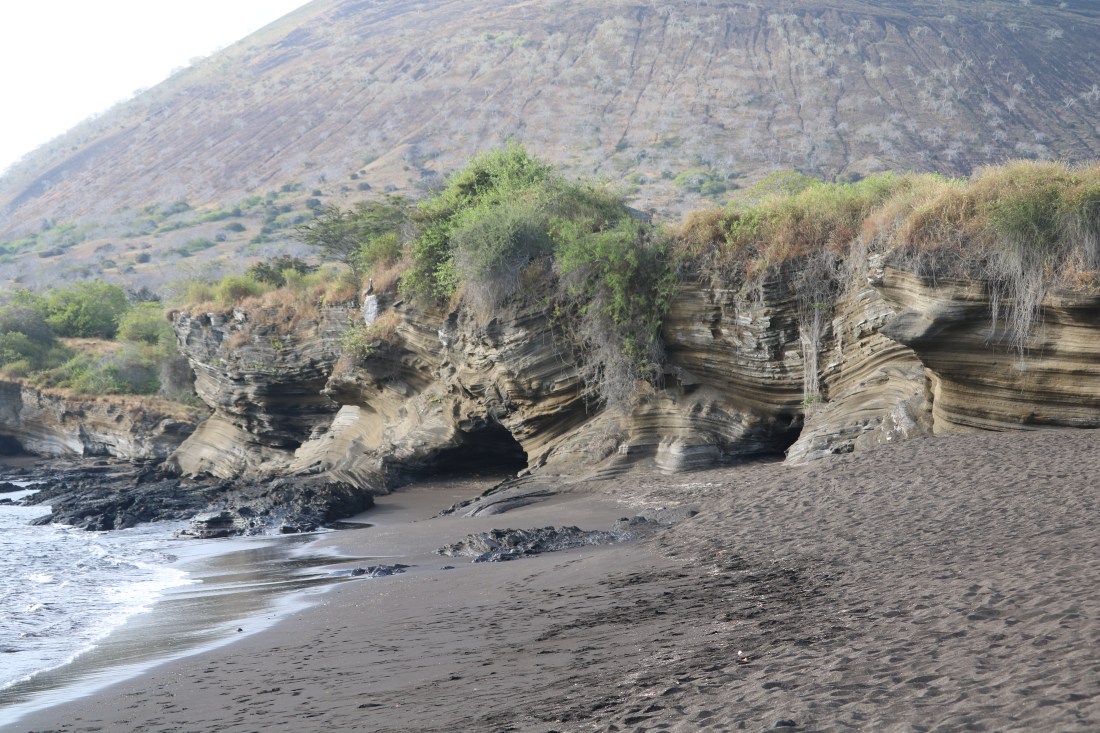
Lava beaches and formations.
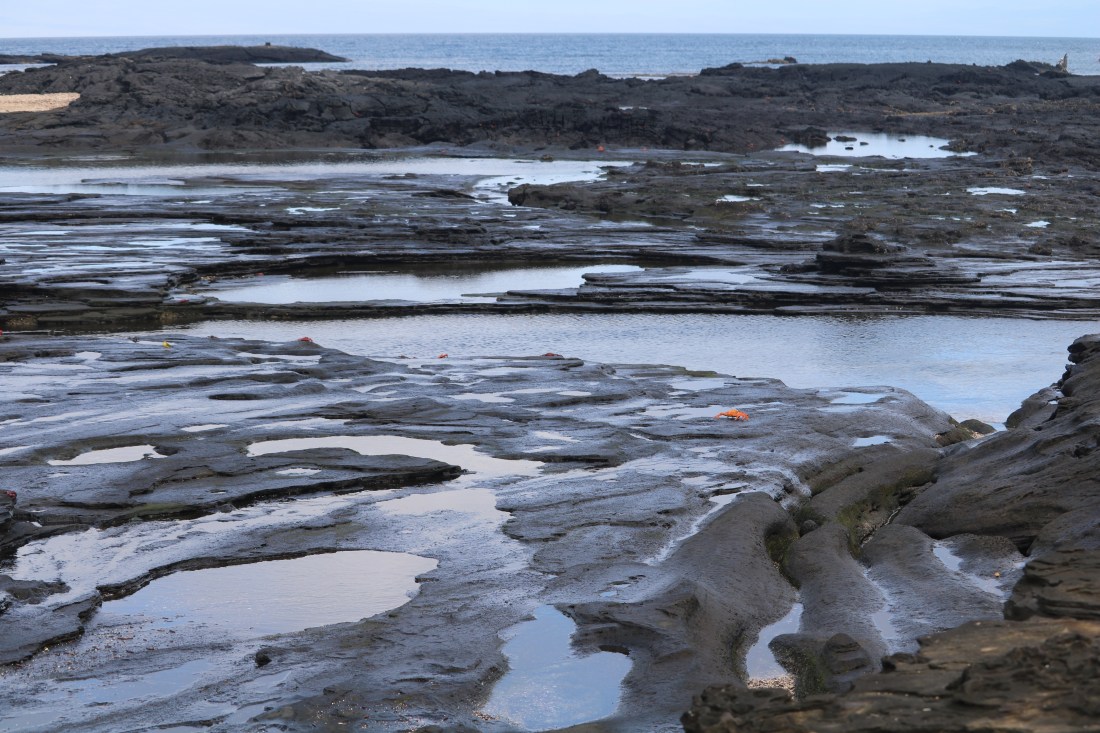


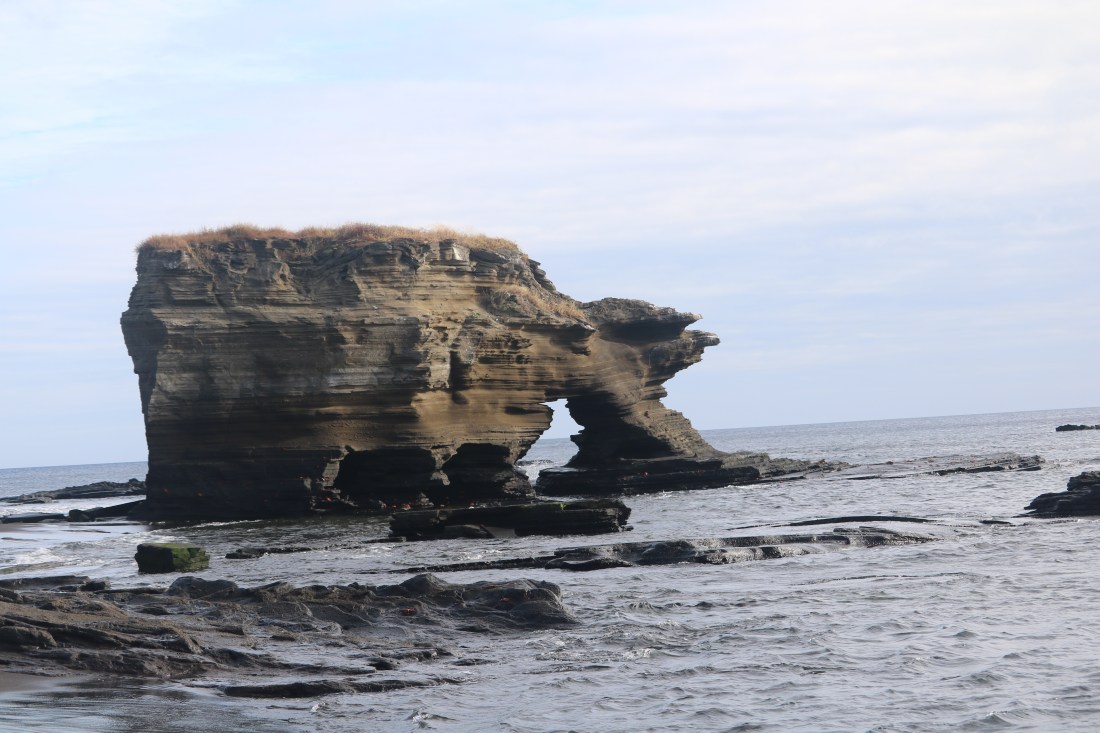
Other interesting rock formations:
Mangroves: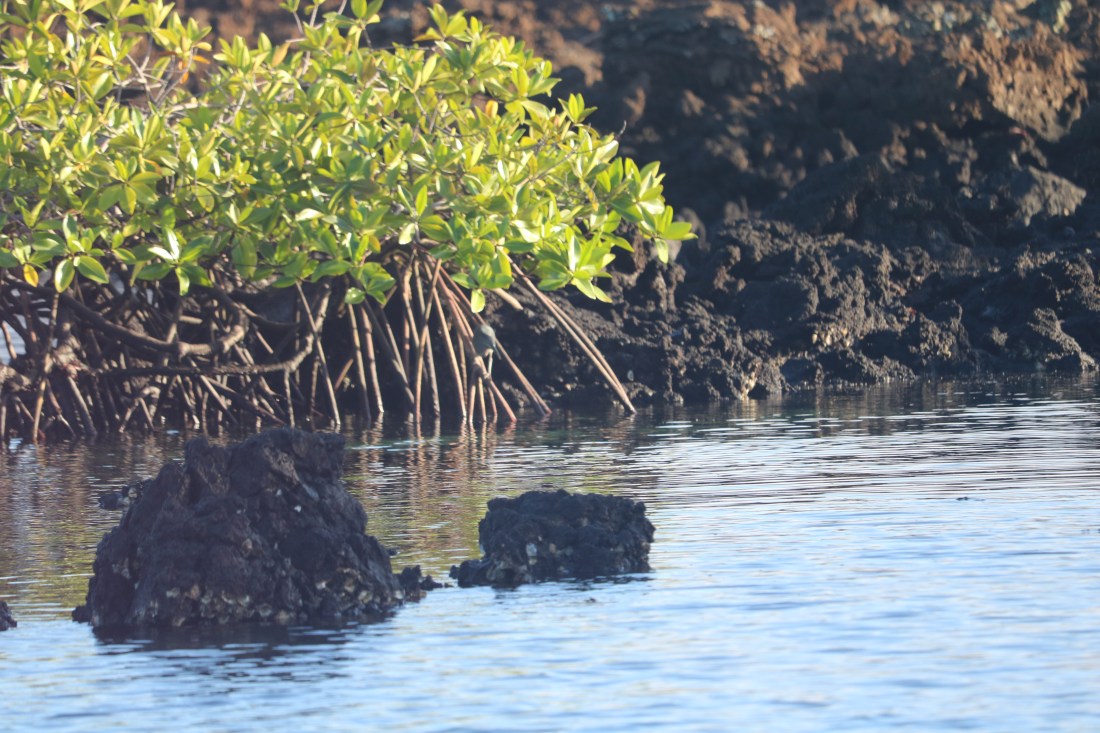
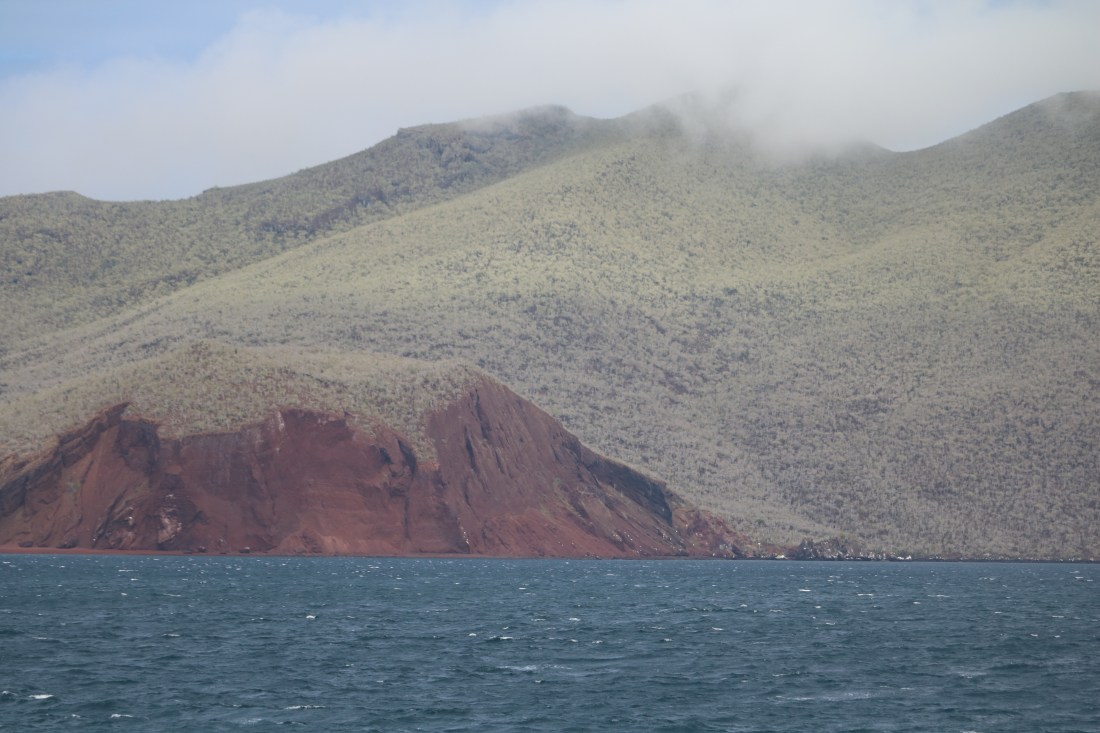
Red beaches:
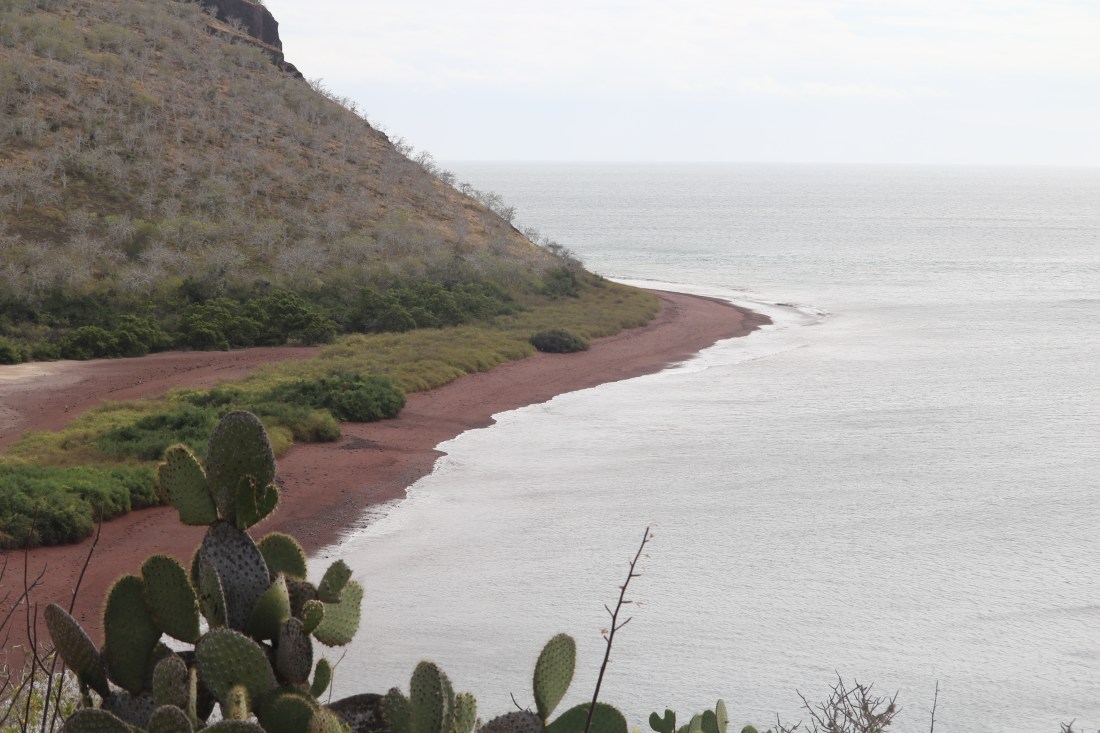
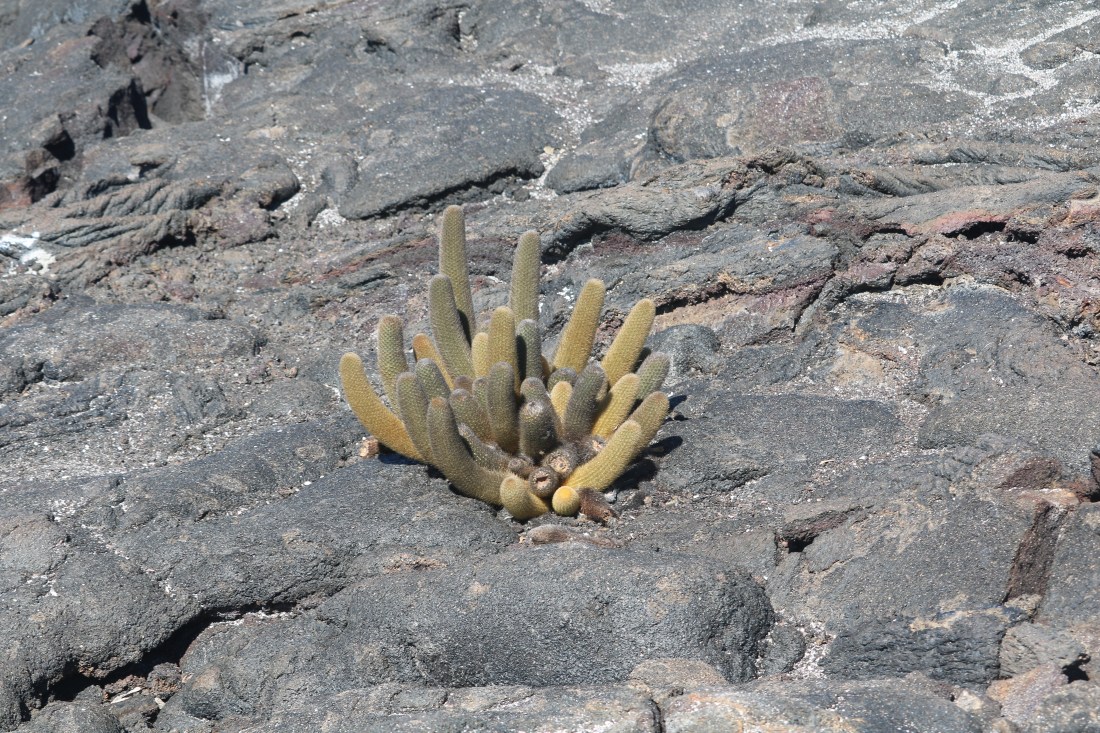
Grasses and Cacti:


Where do I start with the wildlife? The first thing to realize is that because of the lack of predators, the birds and animals are not scared of tourists. They basically ignore people which means encounters are often up close and personal. The National Park is very strict about where tourists may go and how many can be on one island at a time. They are very serious about their conservation efforts.
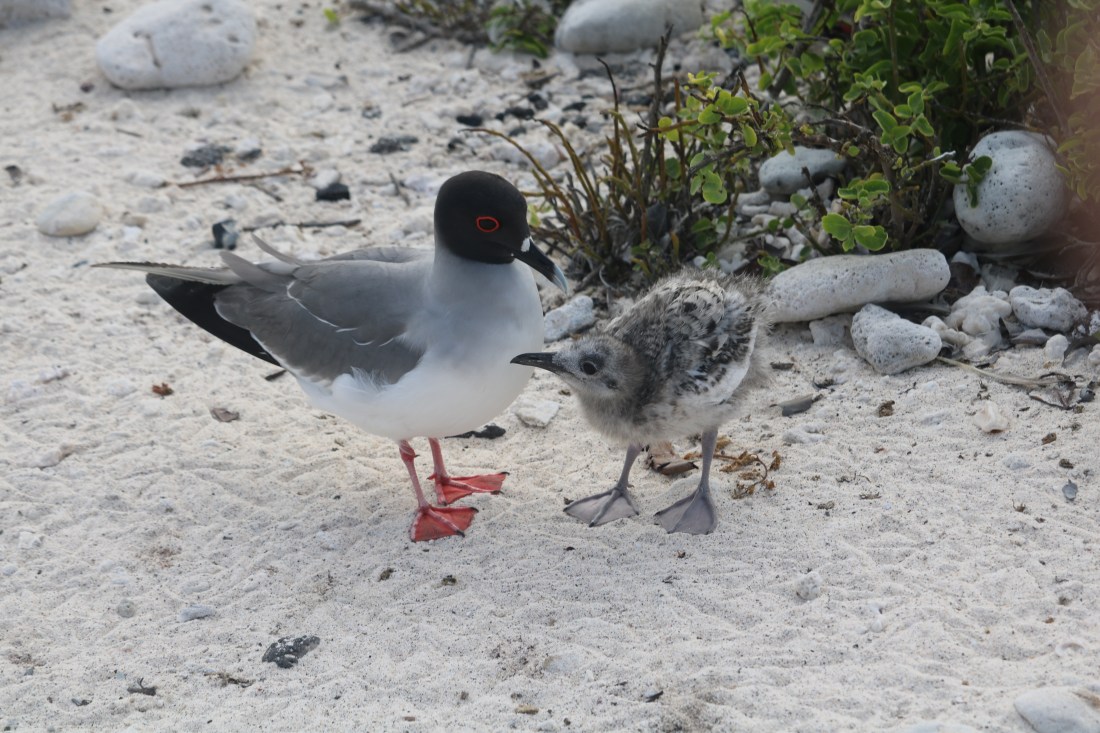
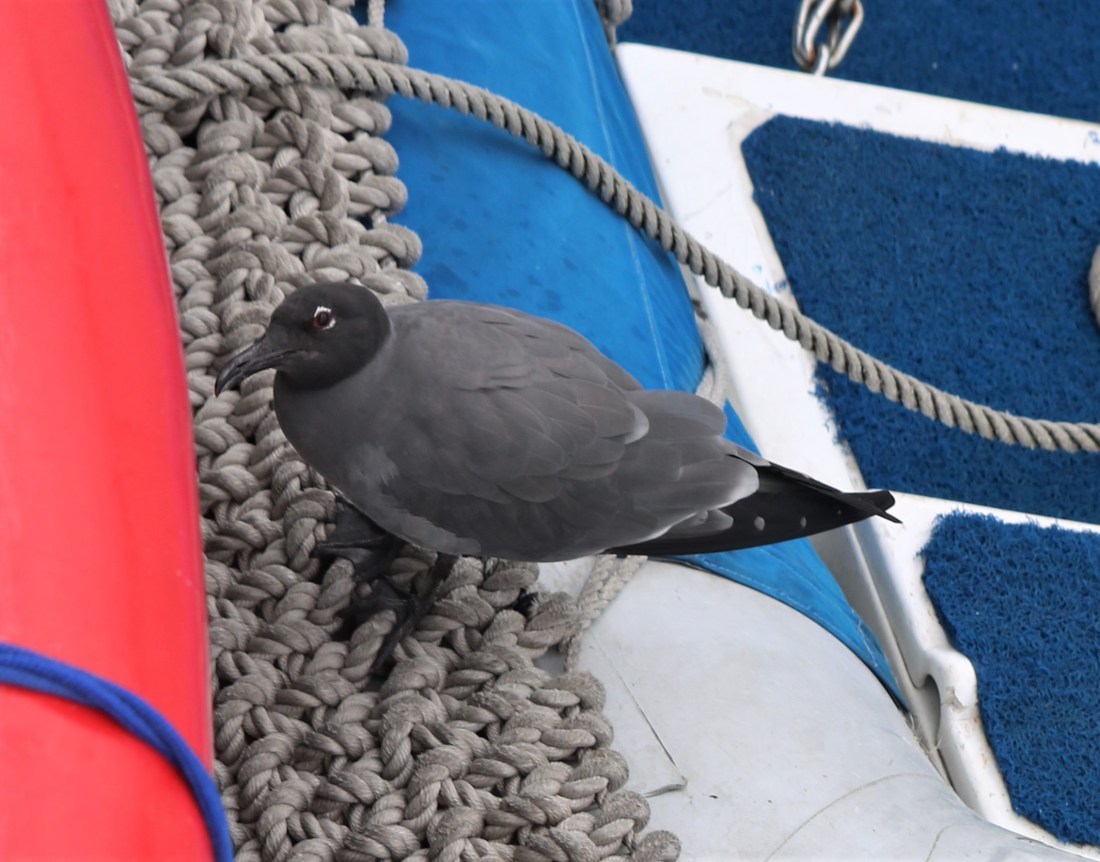
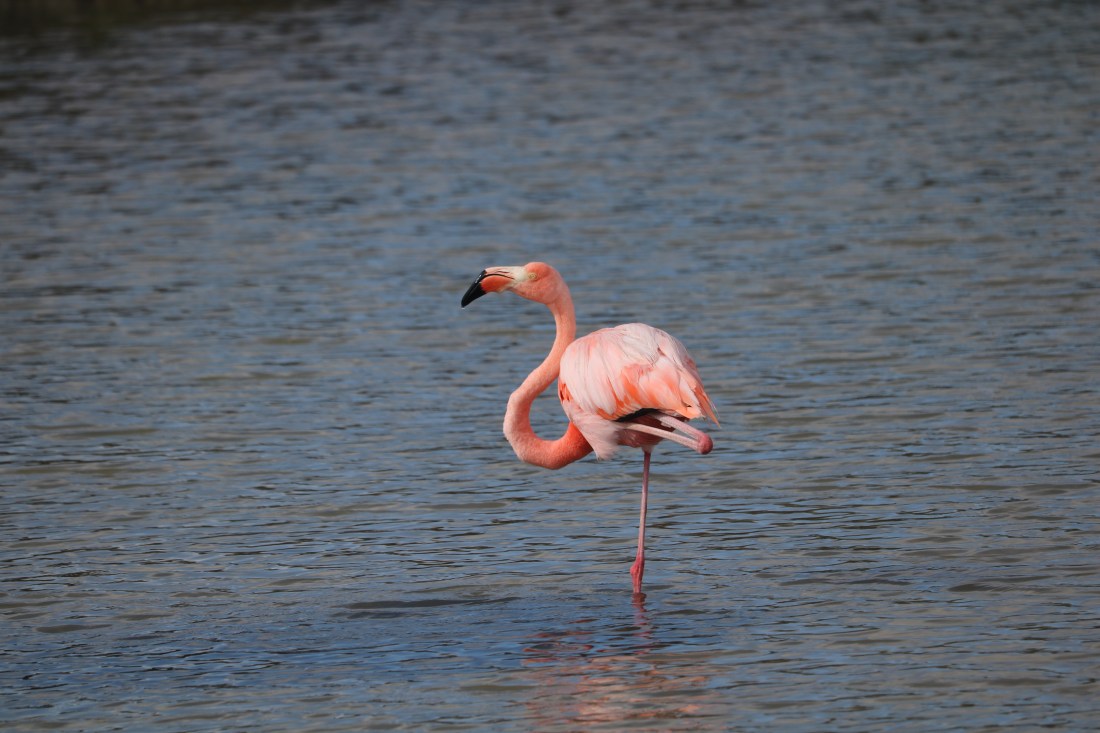
So let’s begin with the birds. Many, but not all, of the birds we saw are only found in the Galapagos. This is just a sampling.


- Pelicans
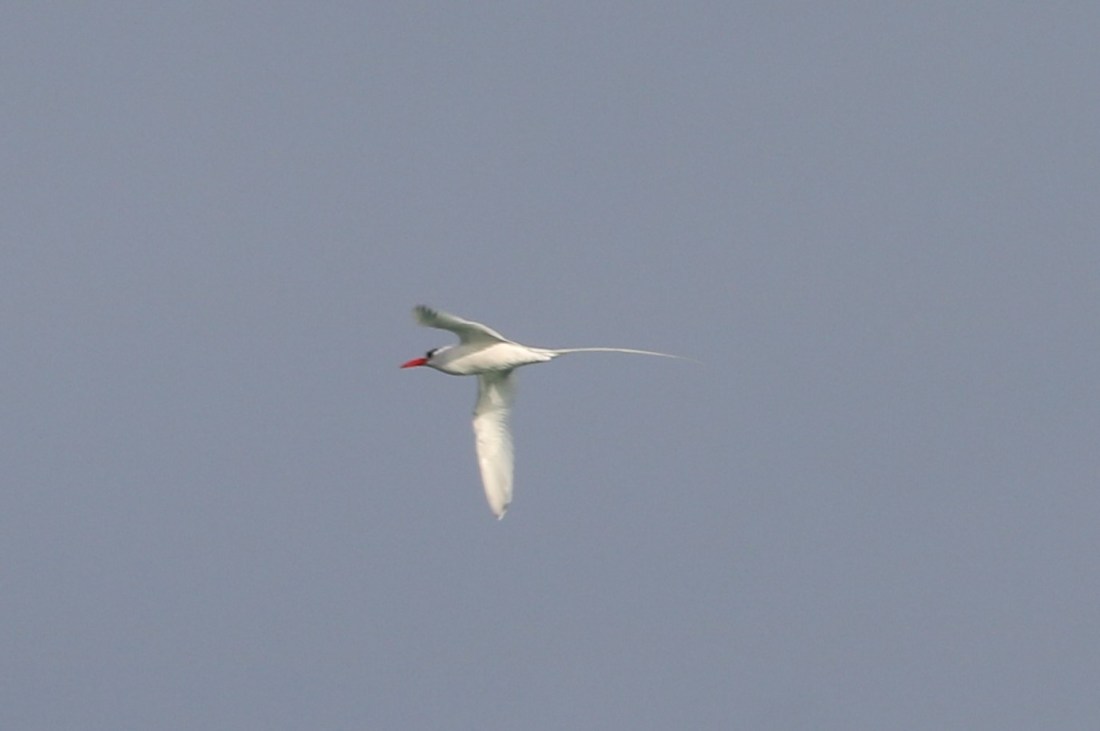
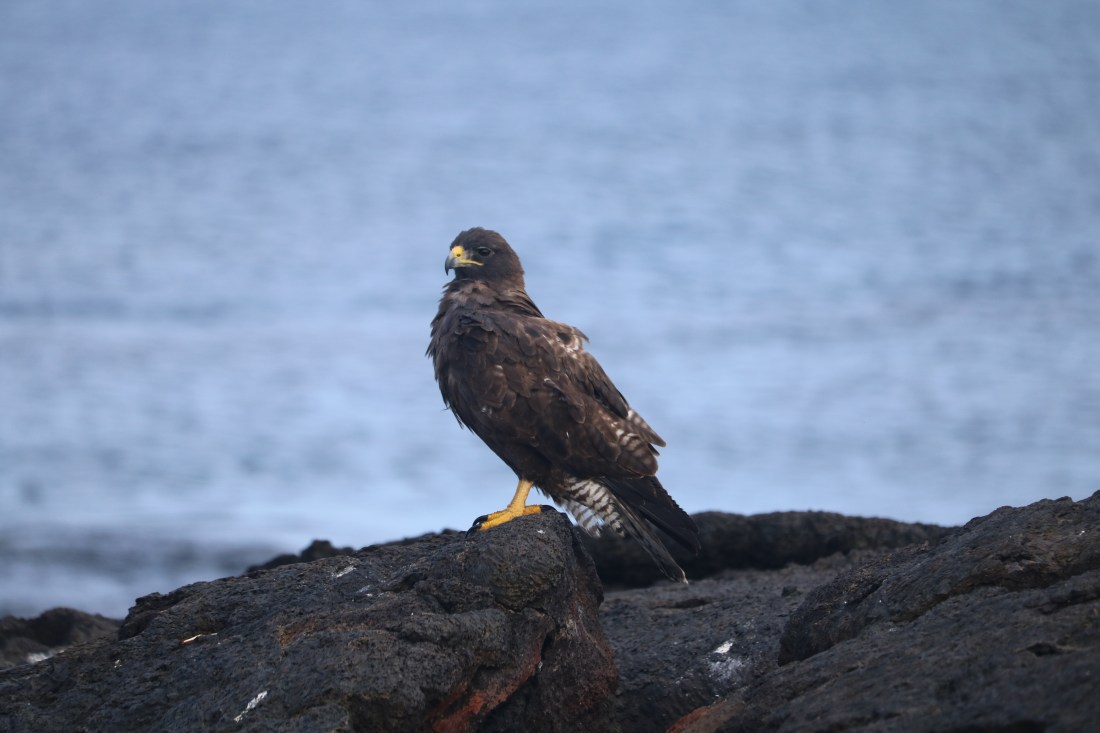
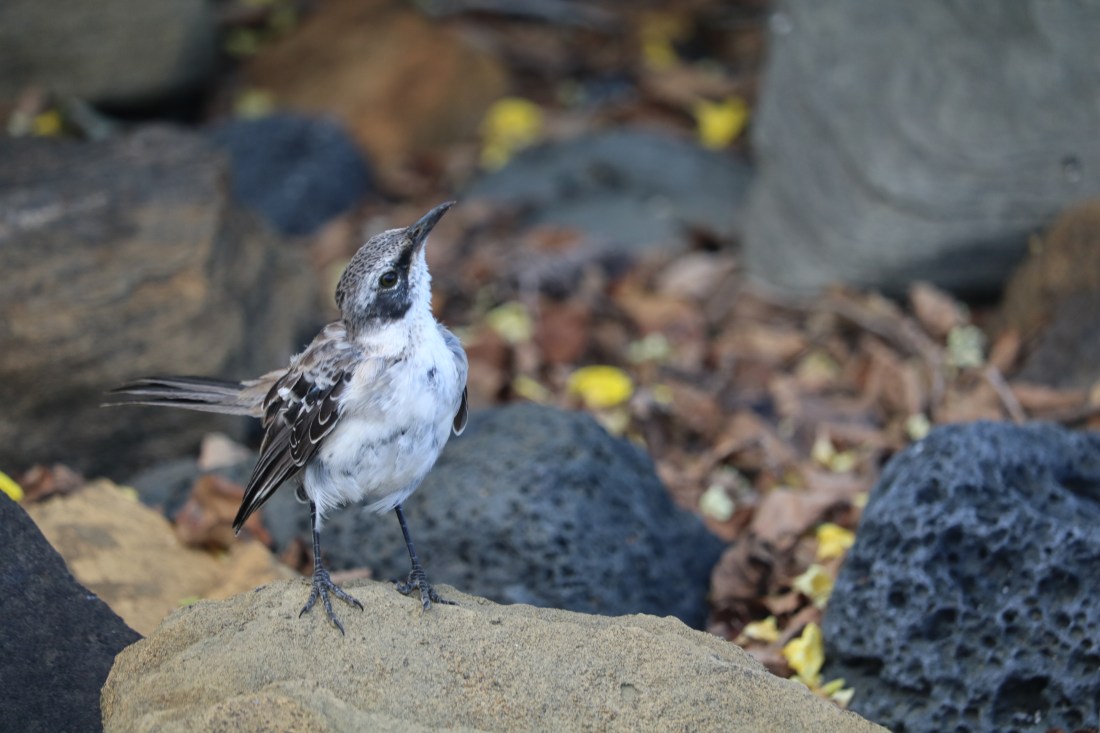
We did see lots of finches but there was much discussion and not always agreement on which ones so I will just let this picture represent the whole lot. I think these are small ground finches. 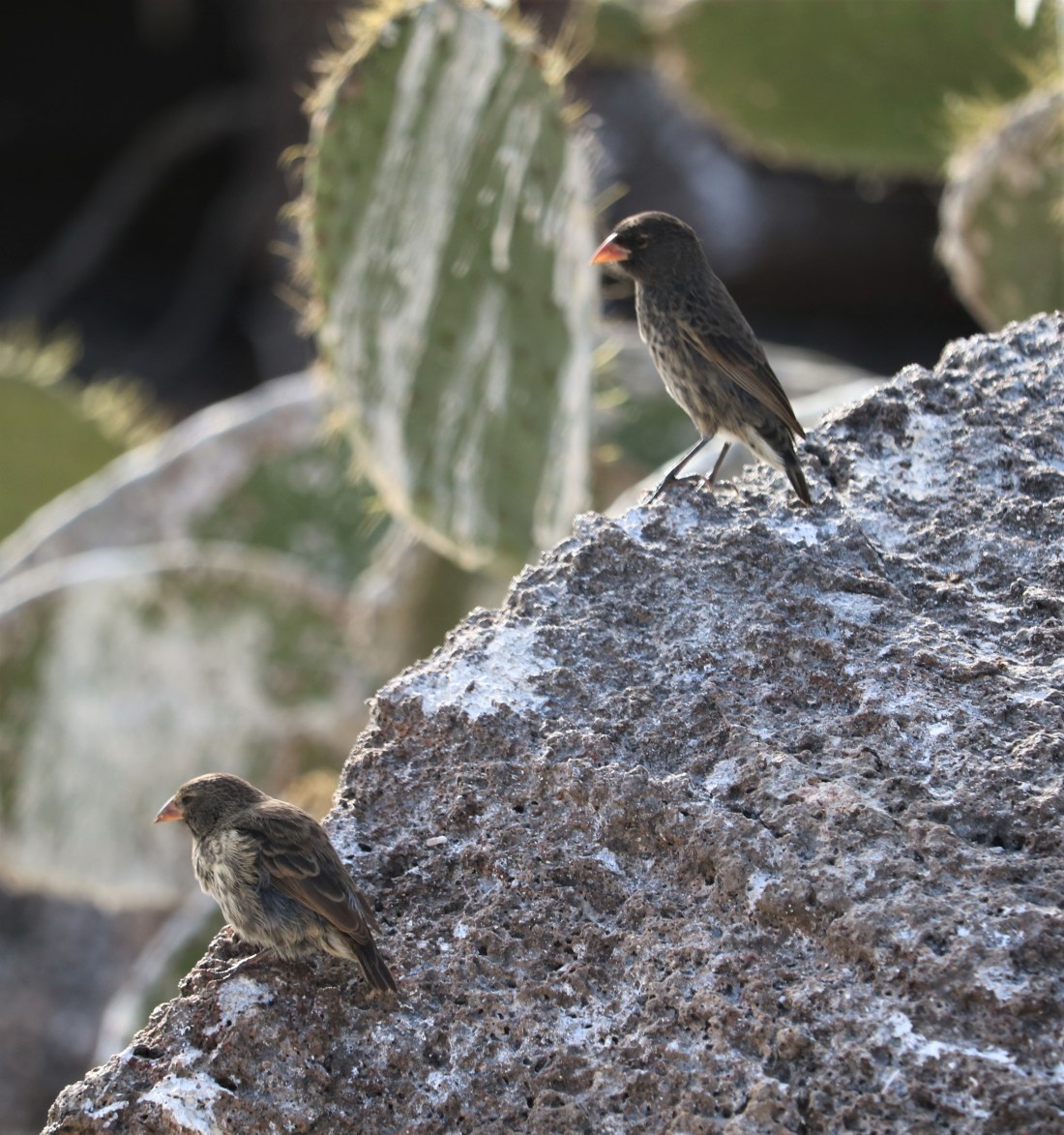
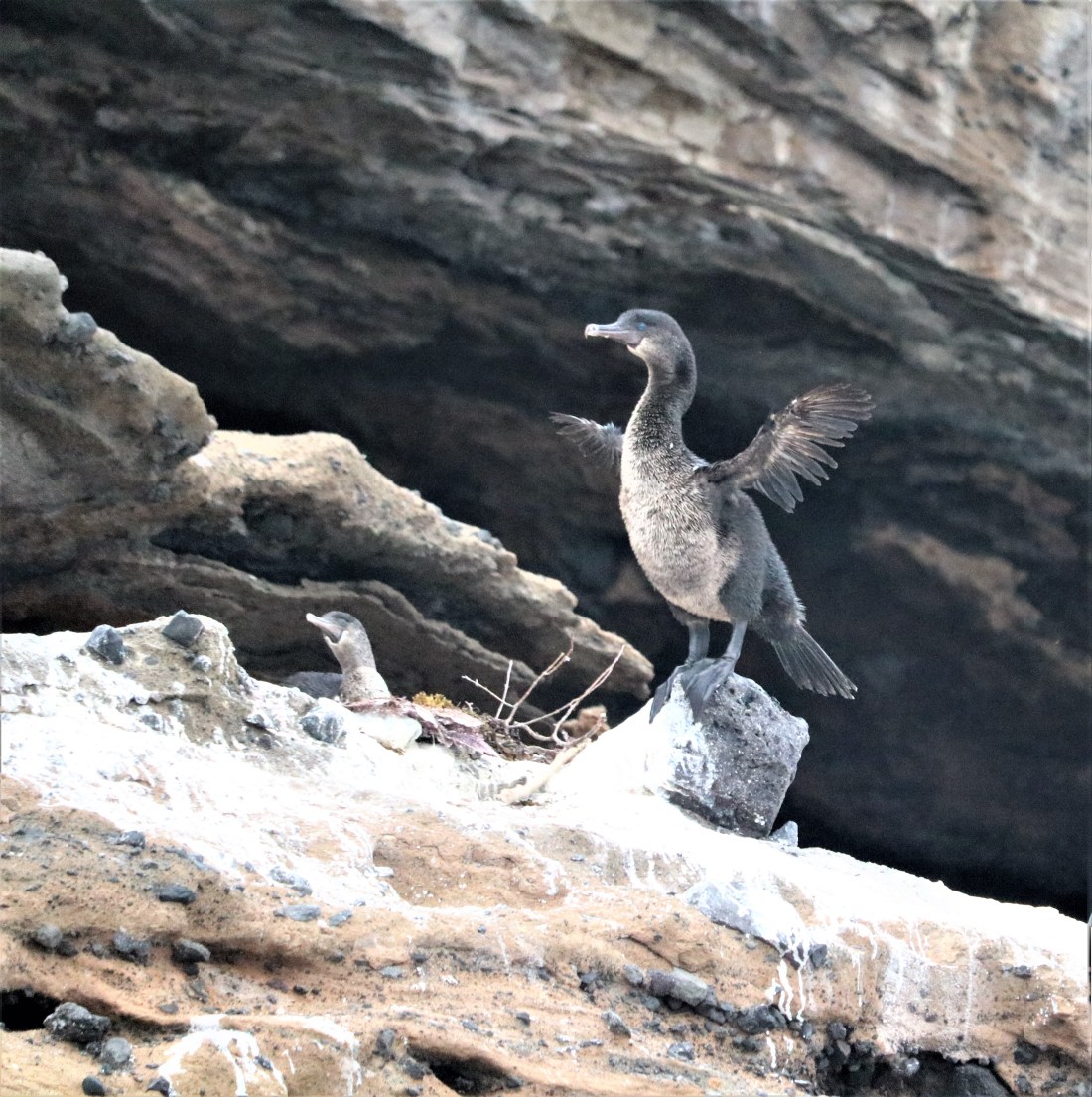
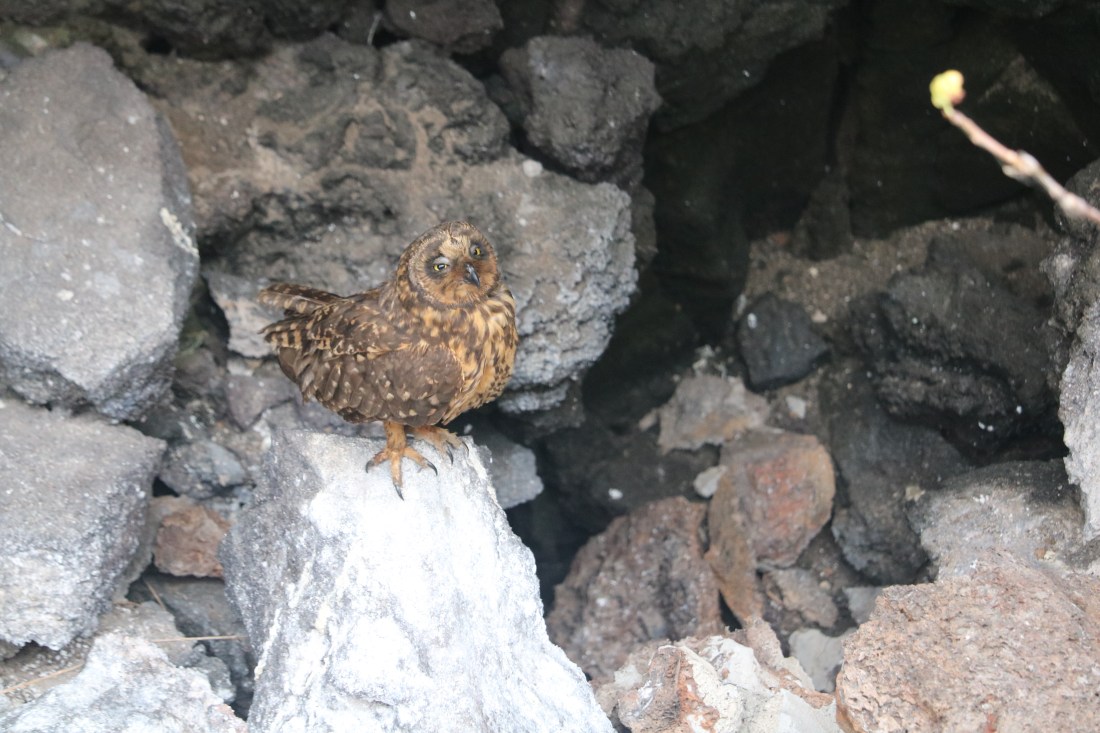
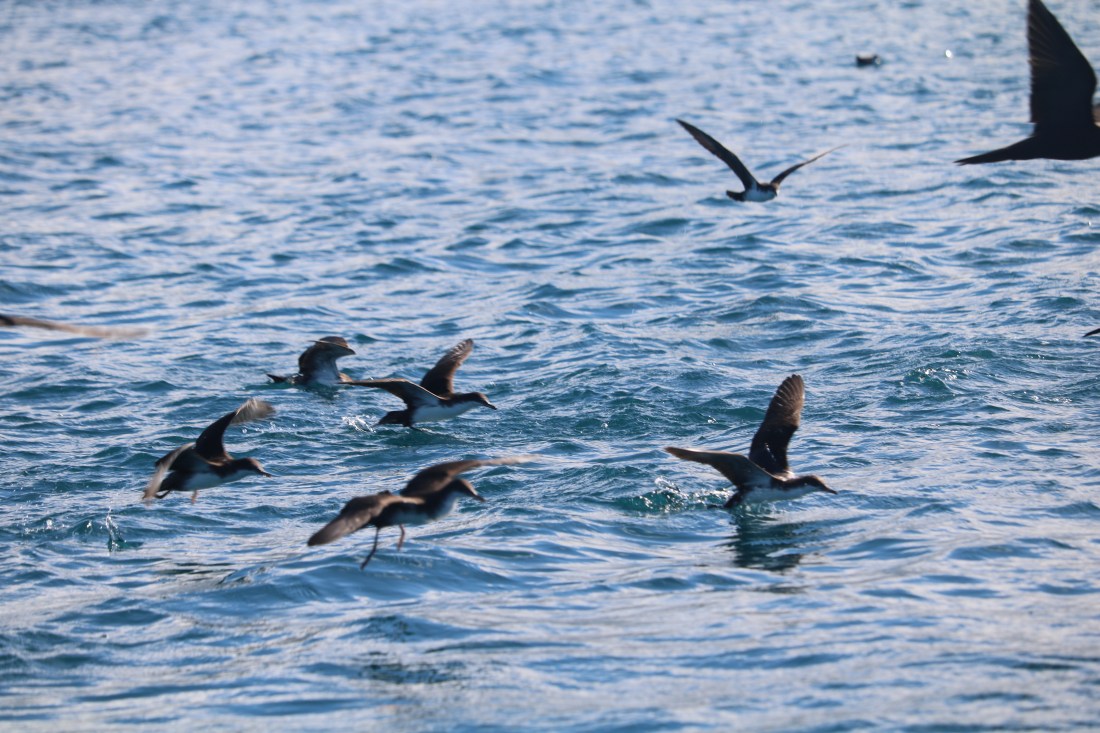
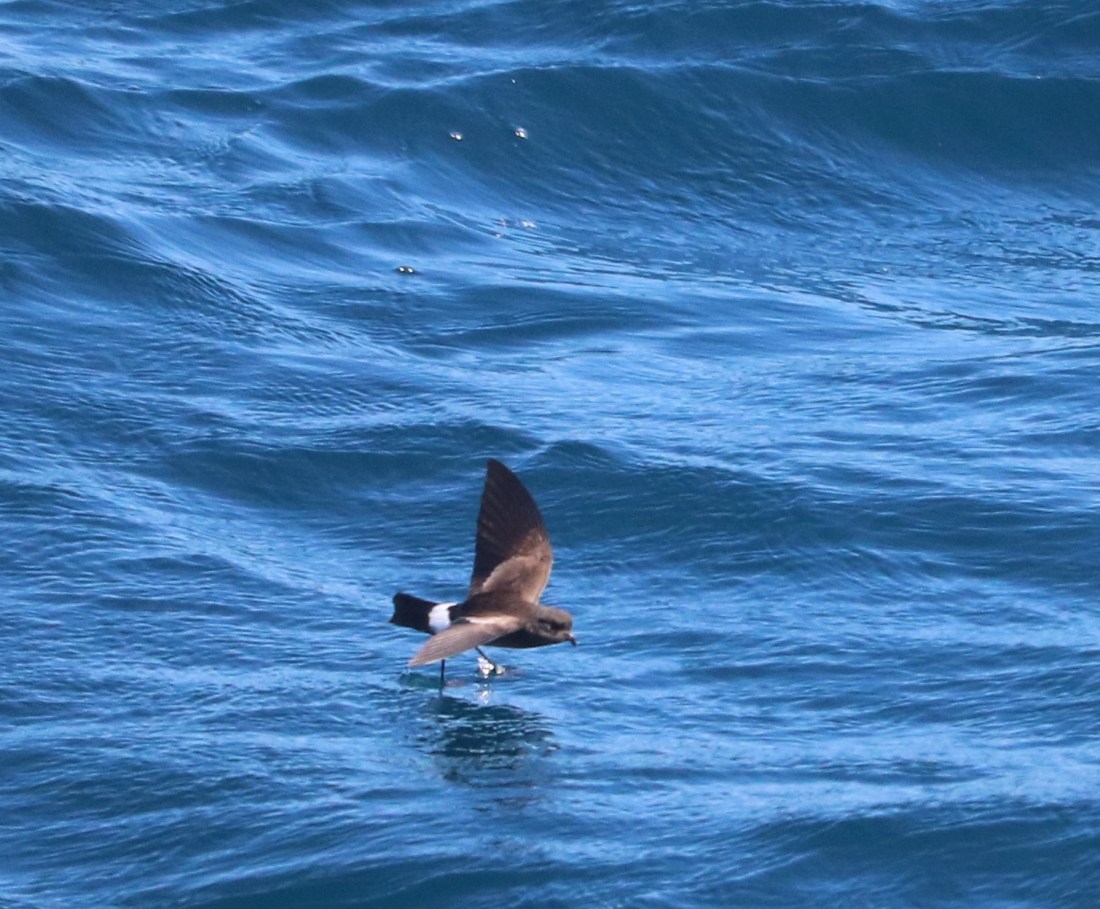
It was still breeding season for the Magnificent and Great Frigatebirds. They didn’t care at all that we were around.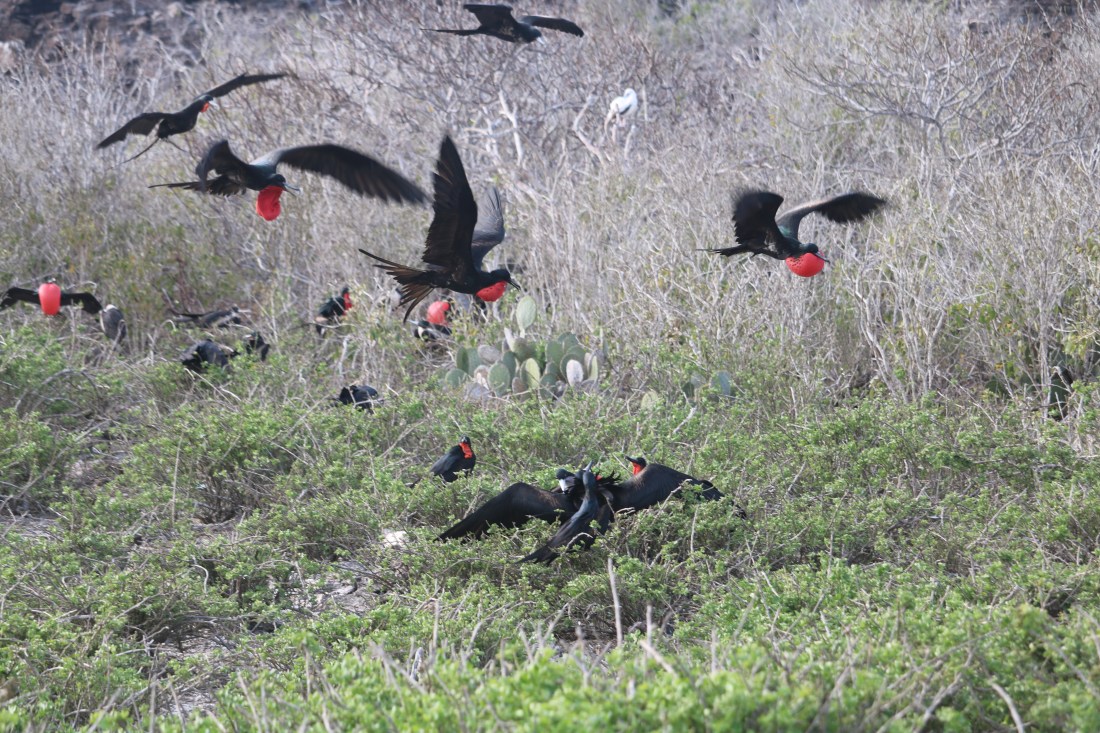


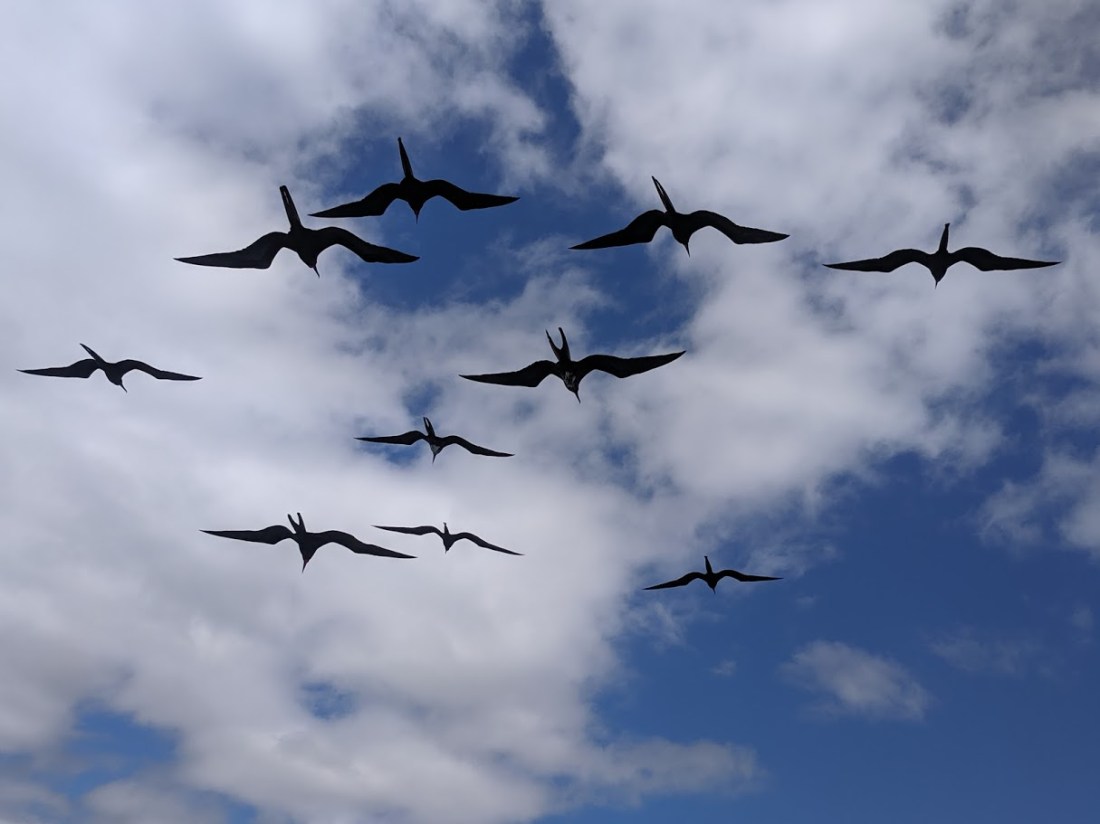
In fact, they frequently accompanied our boat as we moved from one island to another.
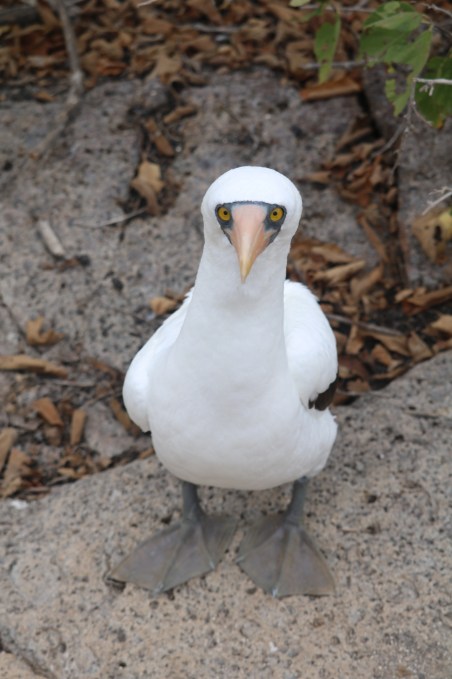
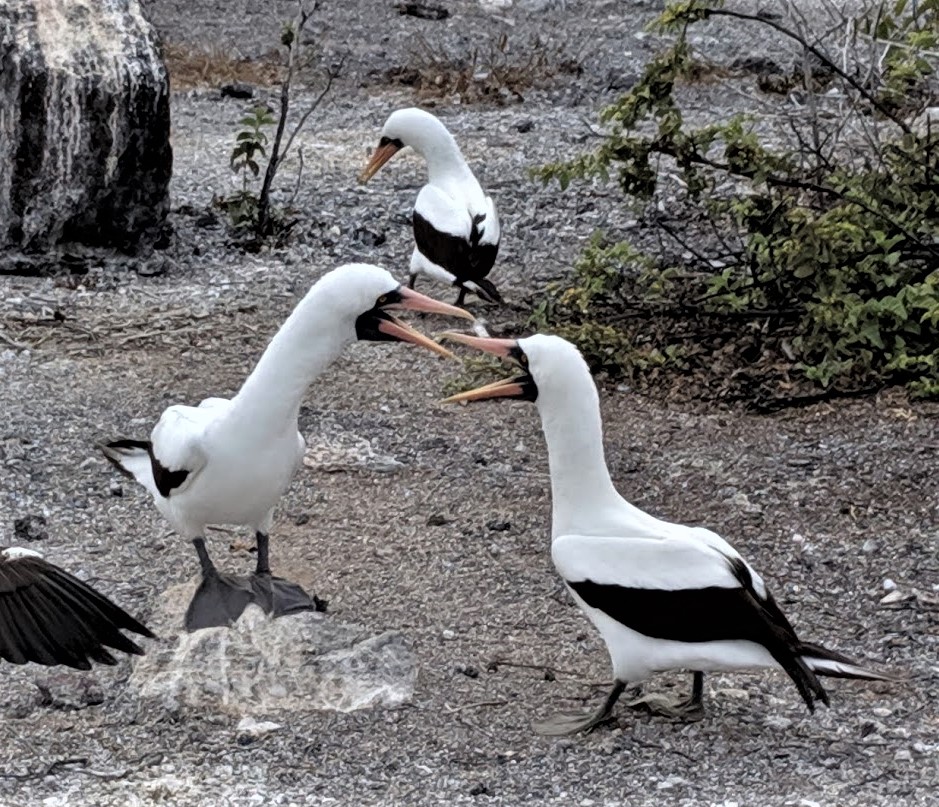
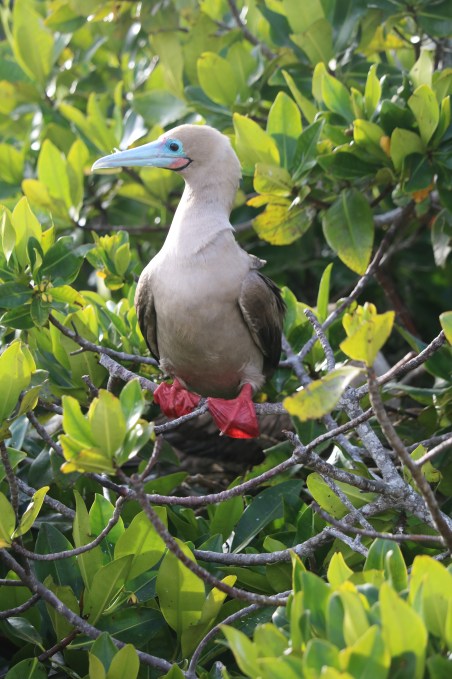
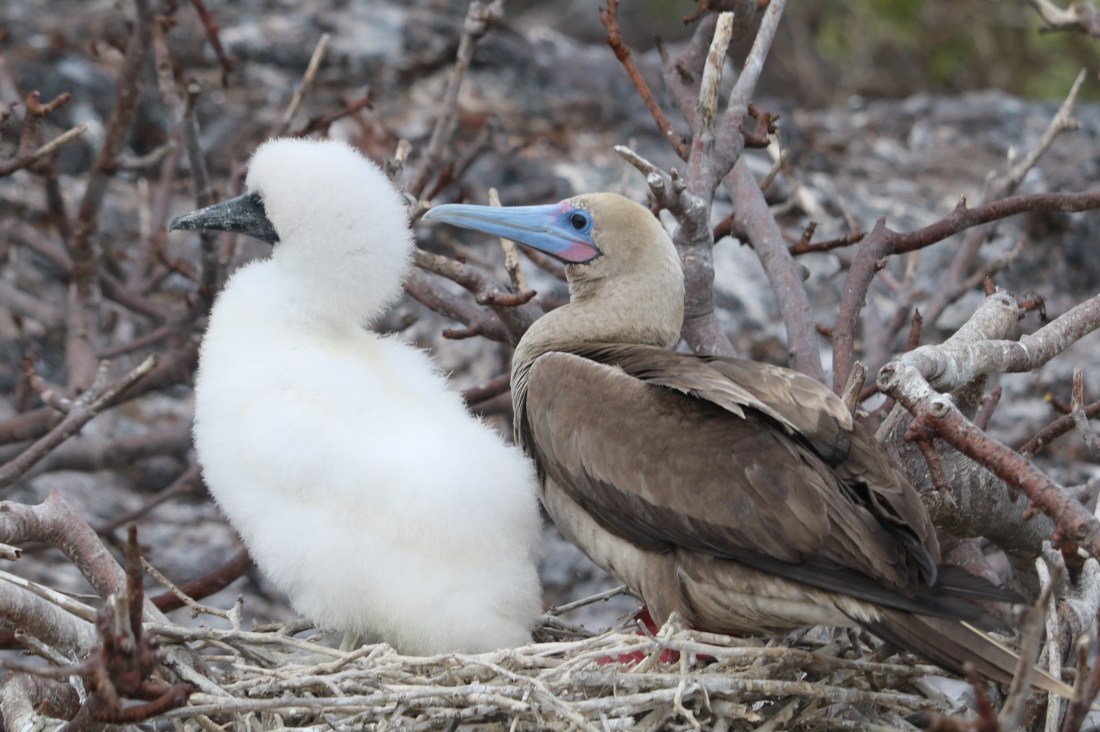
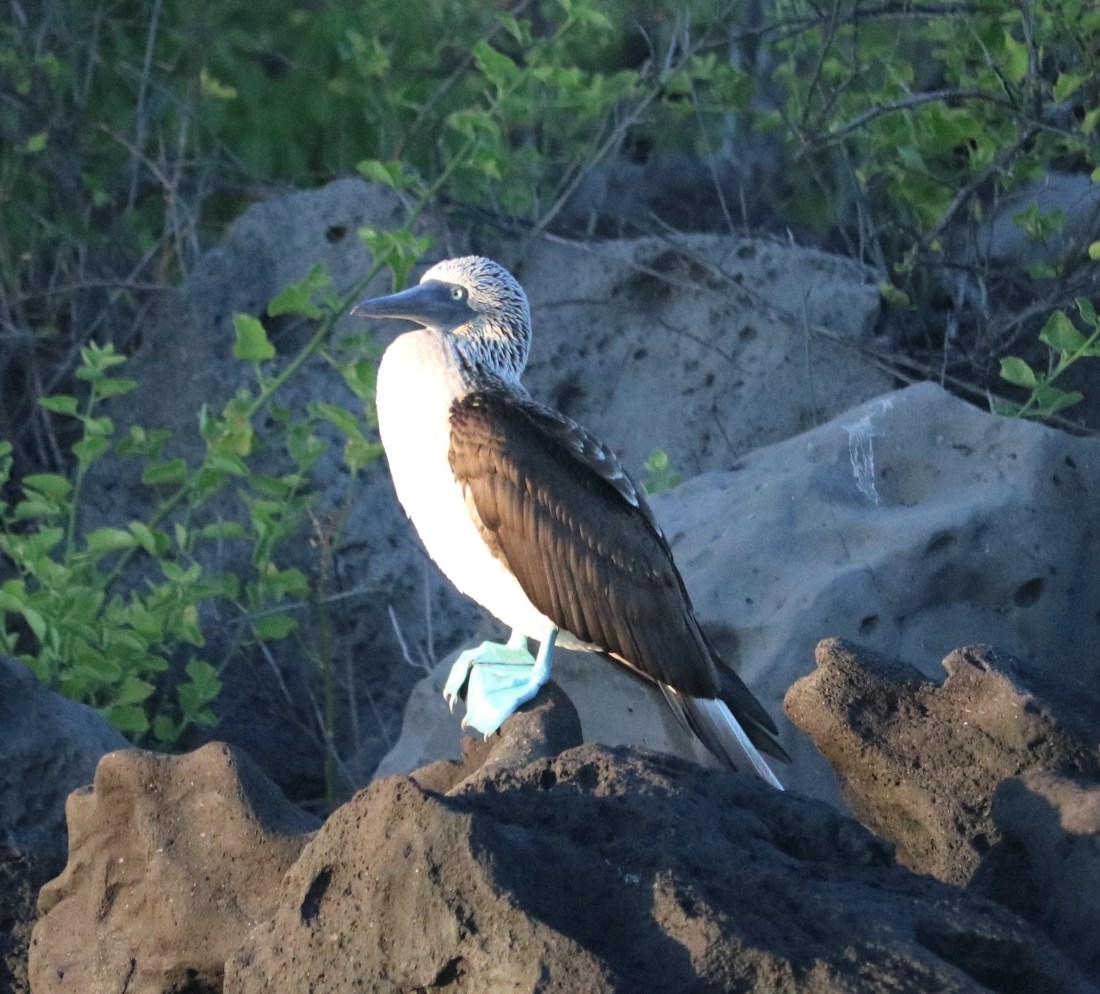
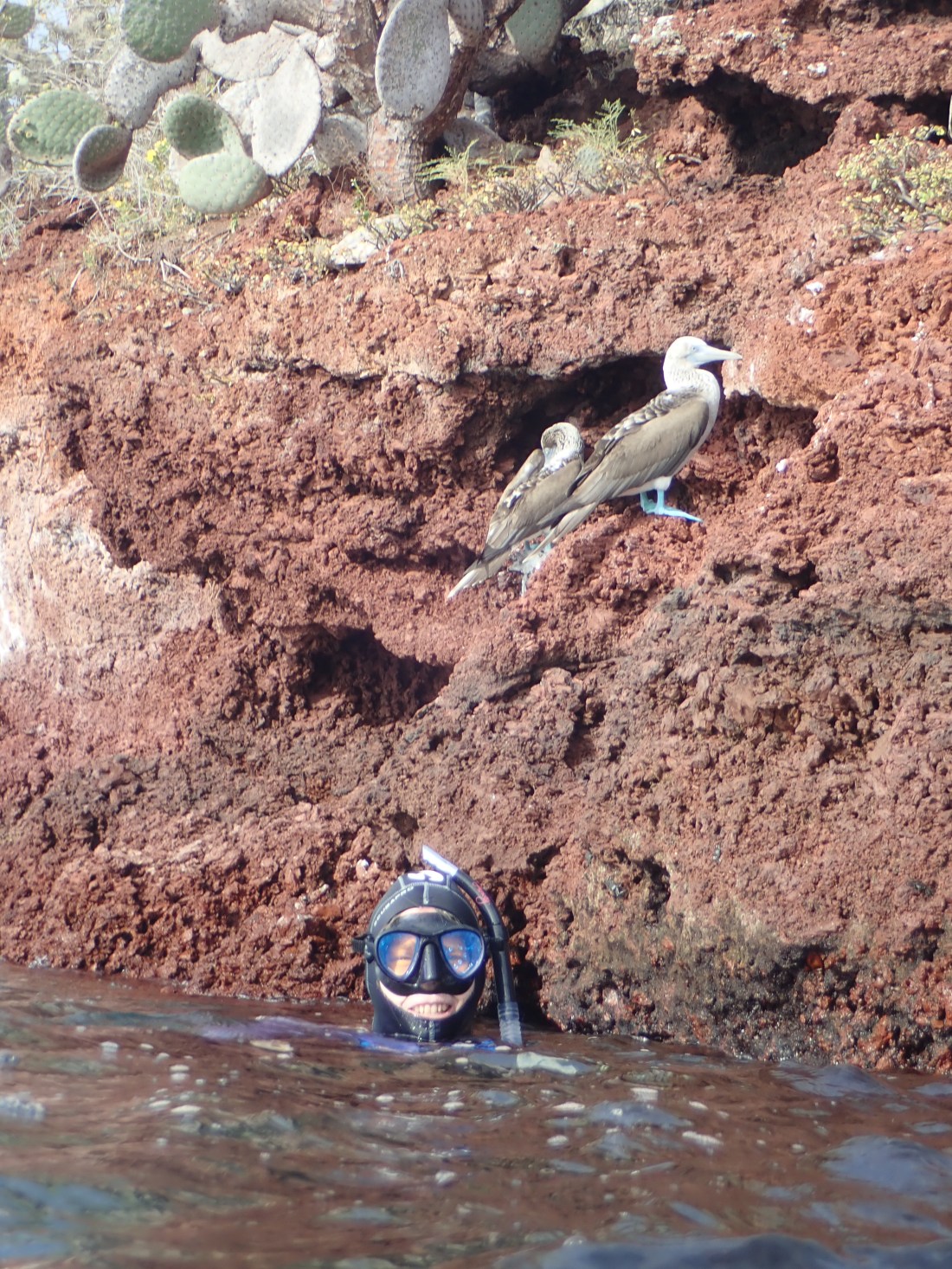
A key attraction for me were the Boobys. Their colorful feet and comical expressions are great.
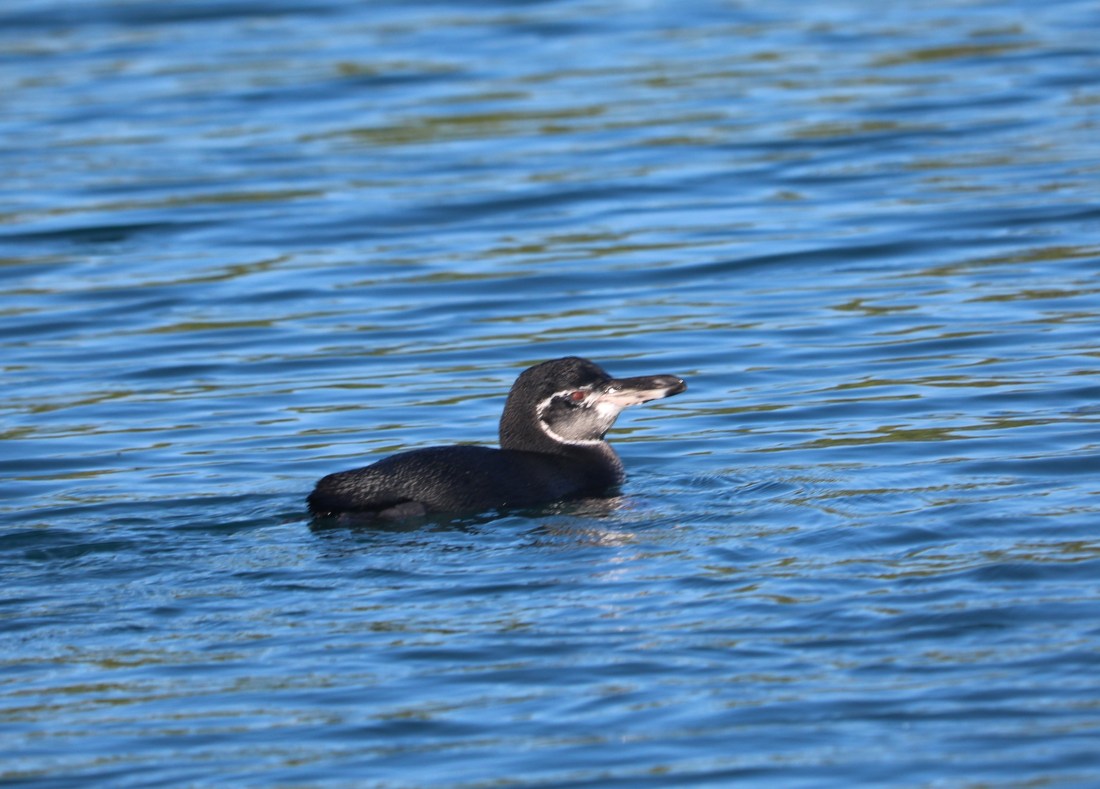
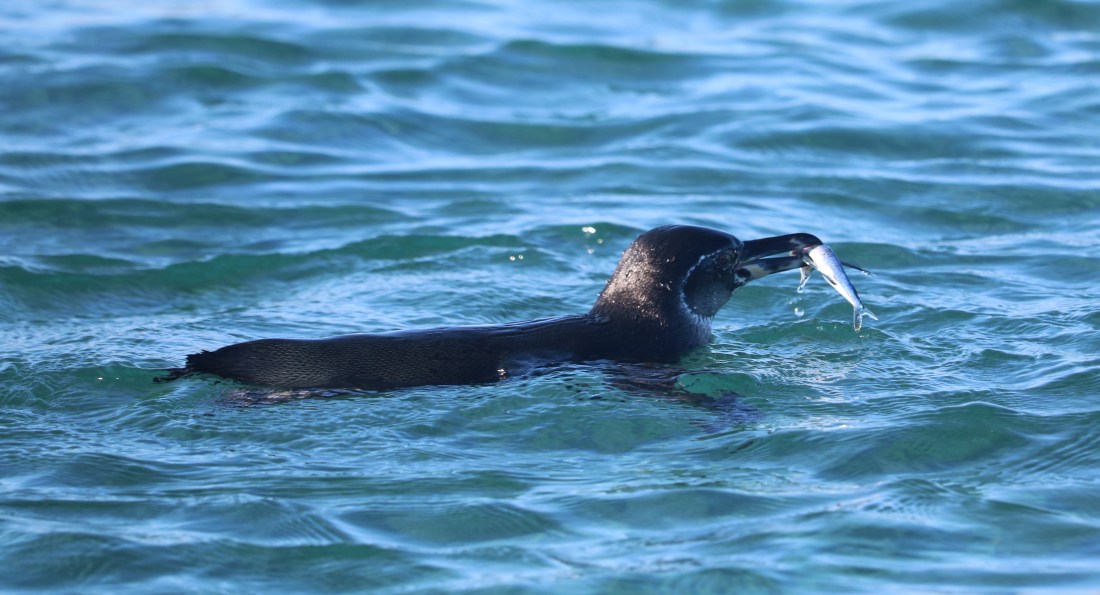
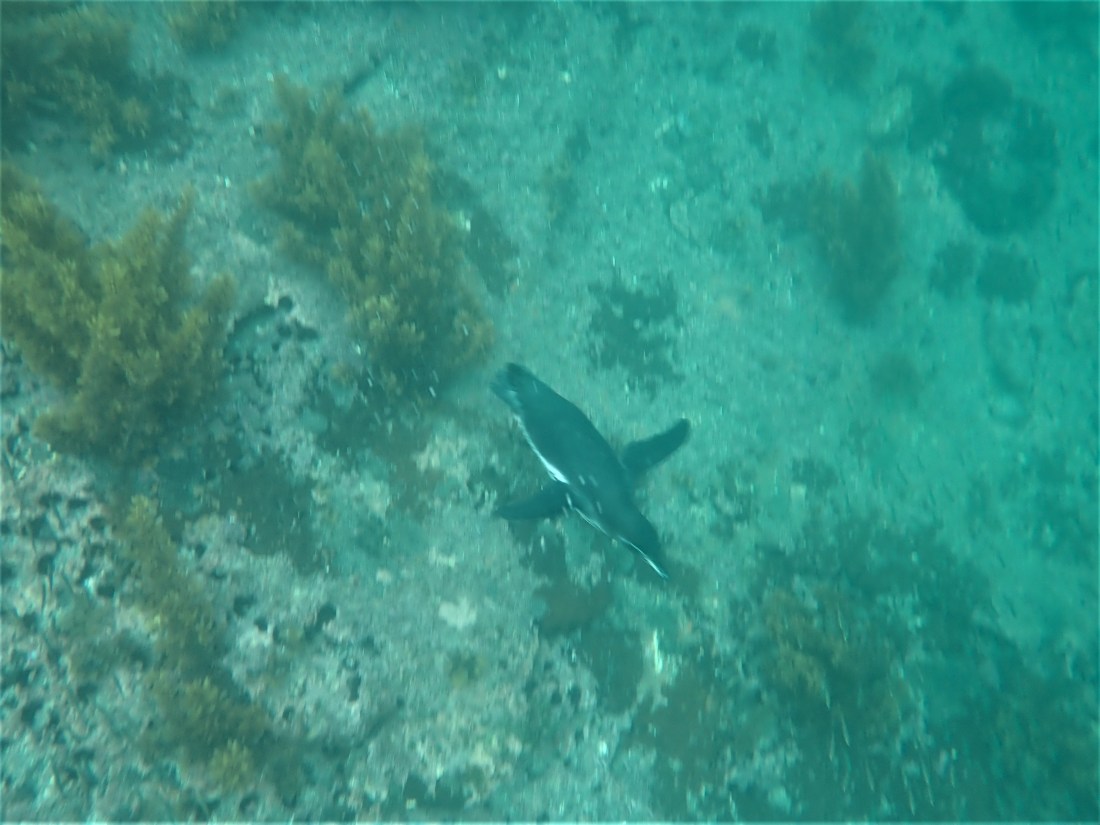
And I know penguins are birds, but how can I not give them a special shout-out? The Galapagos Penguin is the only penguin found north of the equator. It was exciting enough to see one perched on a rock and to observe others in the water, swimming and feeding, but even better was seeing a penguin zoom by me unexpectedly while I was snorkeling. It was so fast!! On a different snorkeling trip, we watched a penguin zipping in and out of a school of small fish. It caught one, took the fish up to the surface to eat it, and then continued its hunt, a real adrenaline rush!!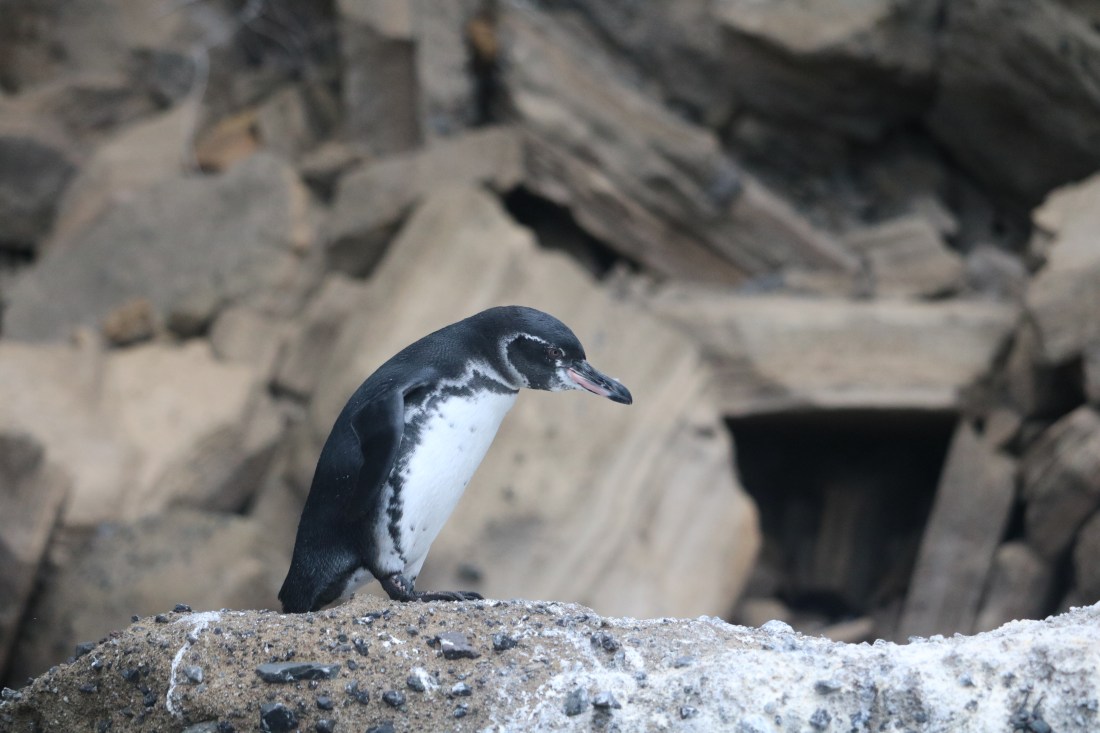
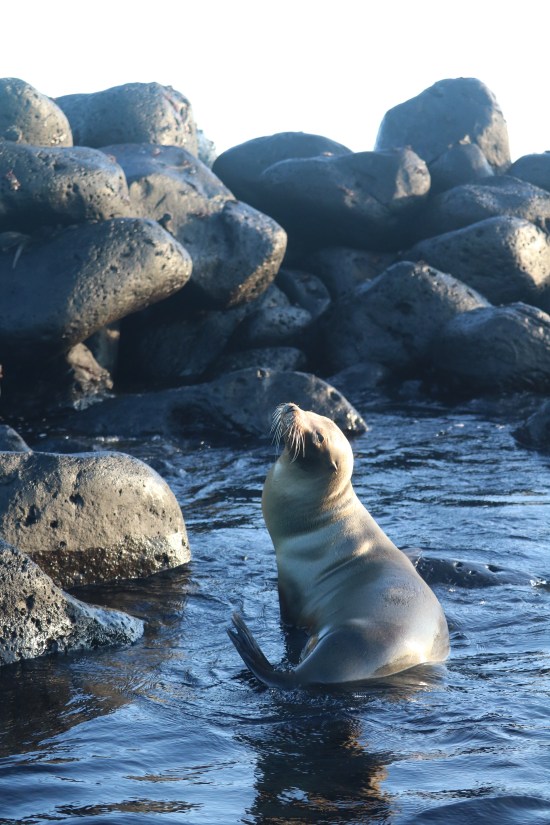
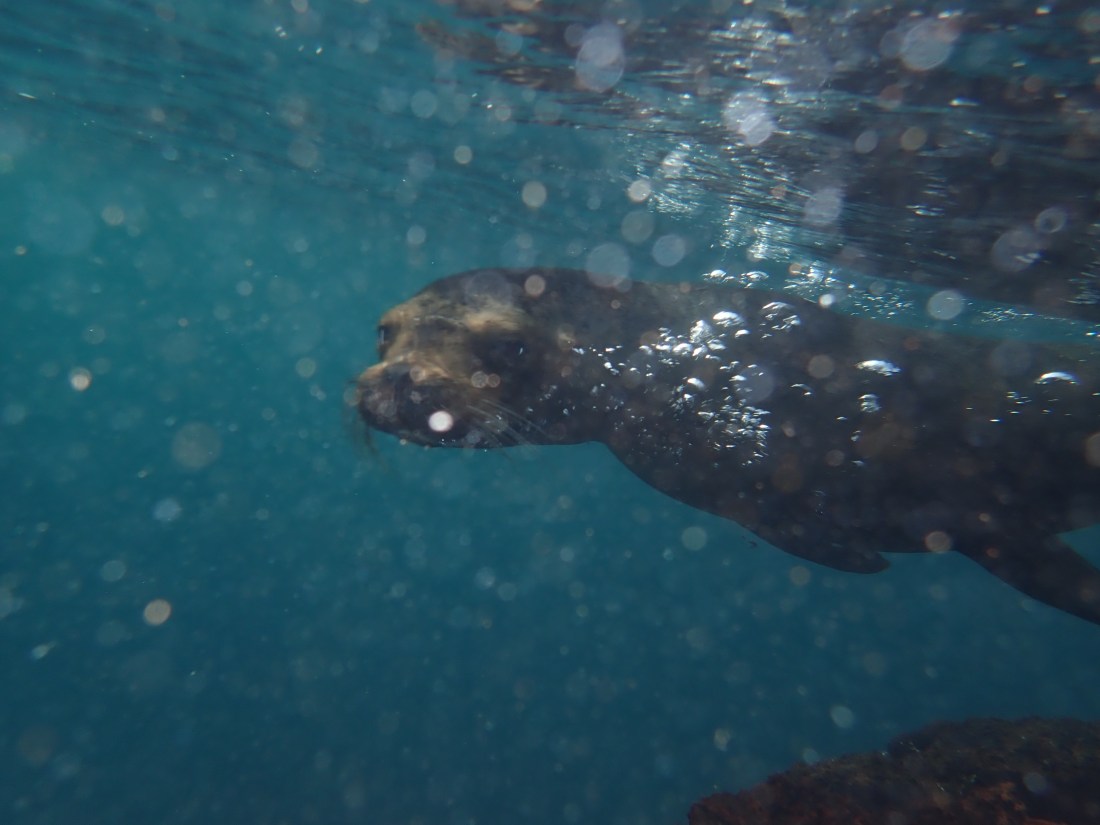
On to the mammals. We had good views of Galapagos Sea Lions on the land and in the water while we were snorkeling.
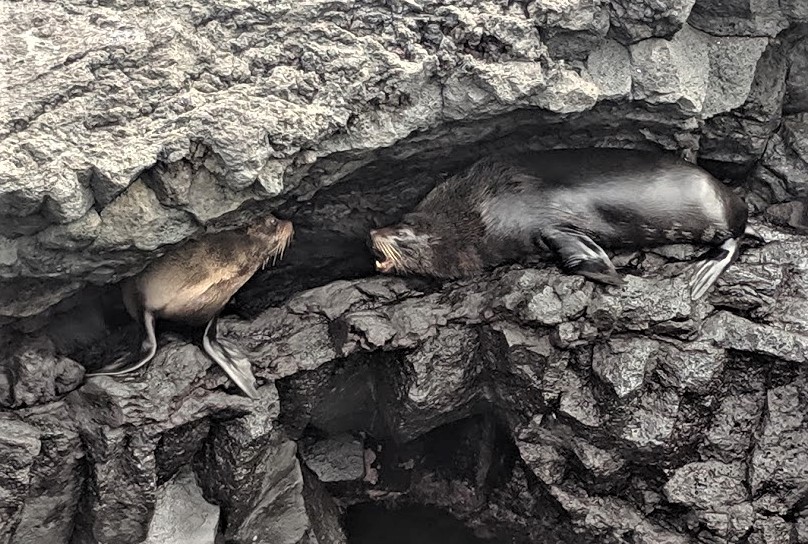
There were also Galapagos Fur Seals around.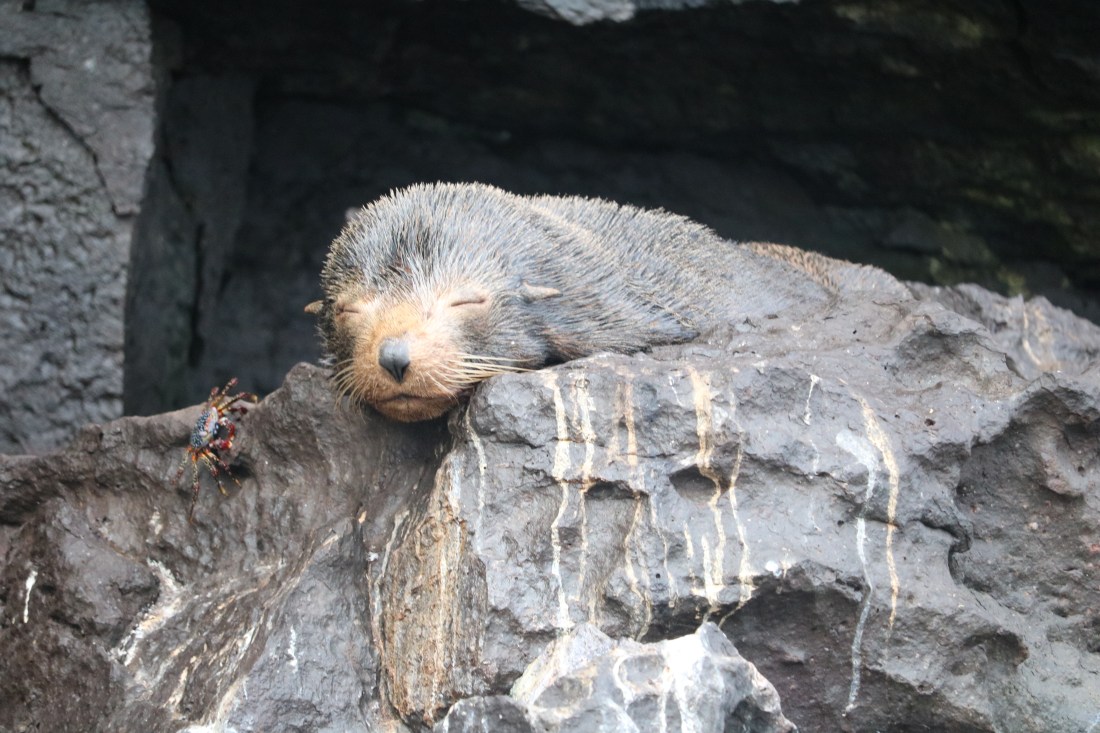
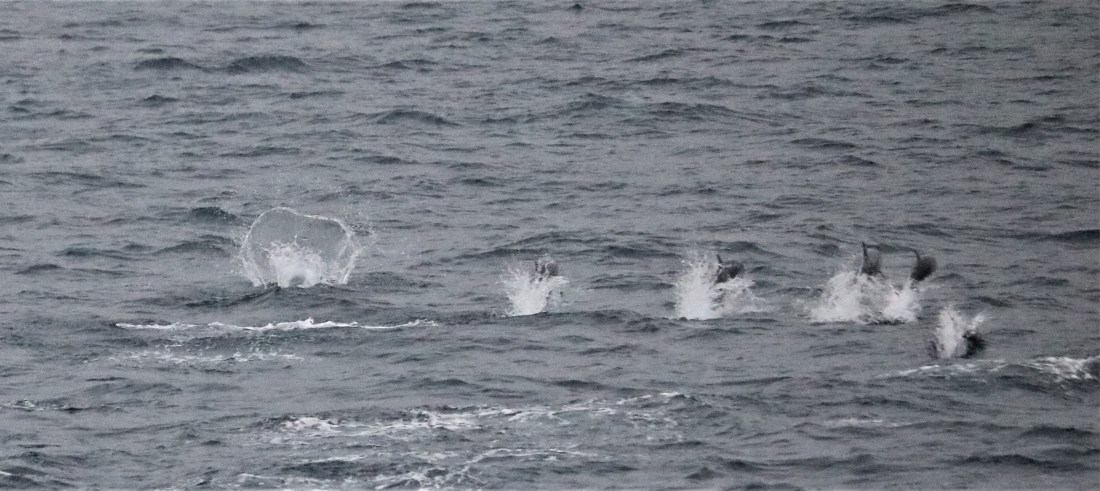
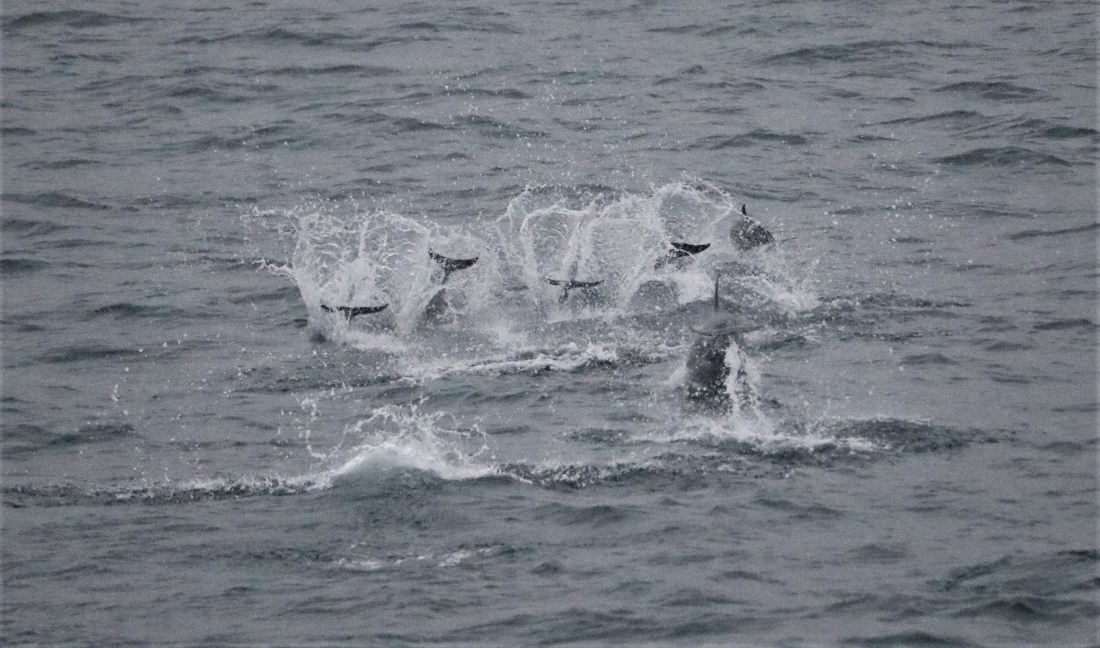
On two different nights, we had pods of dolphins (Bottlenose and Common) decide to play around our boat and surf in our boat wake. 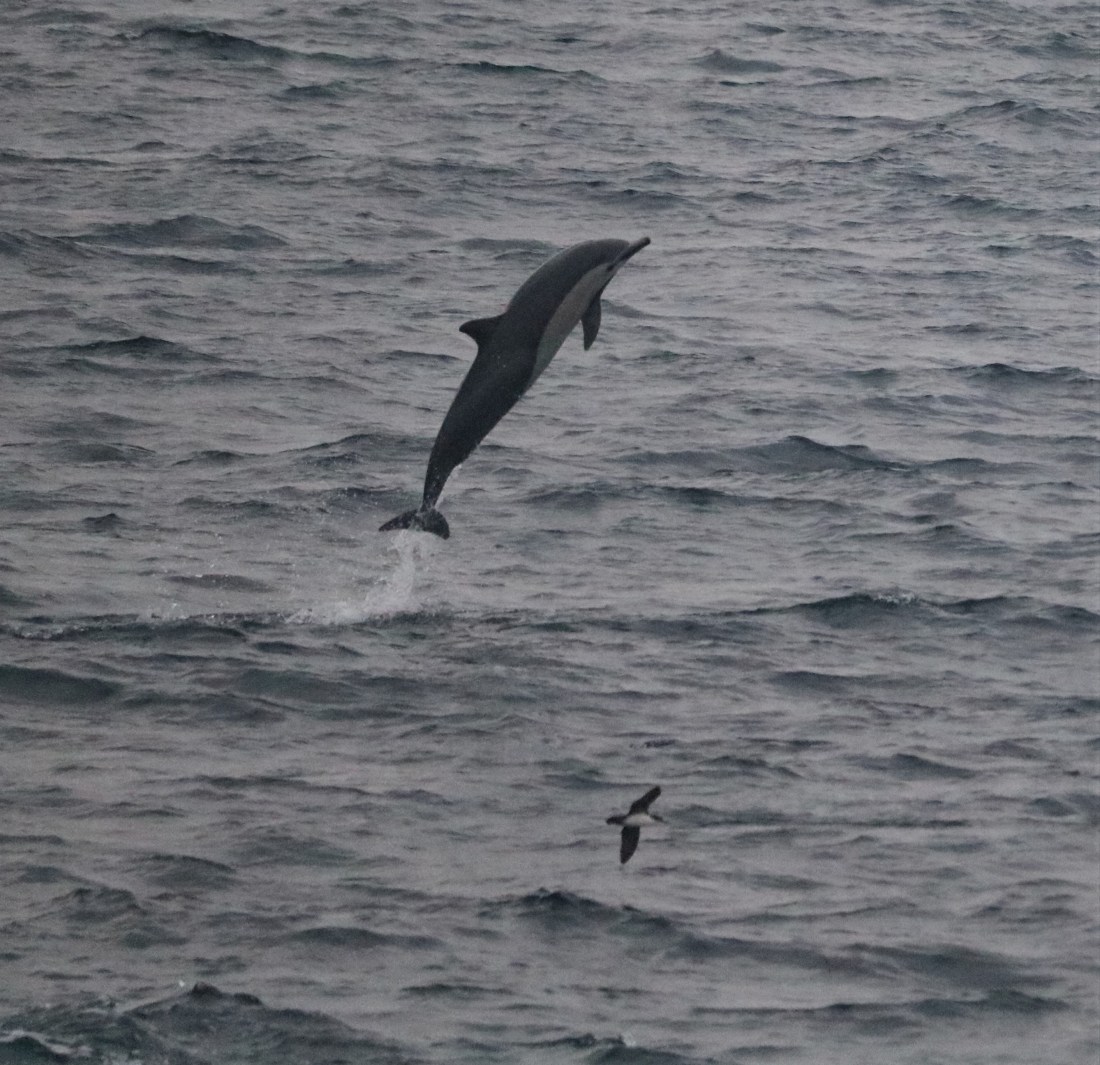
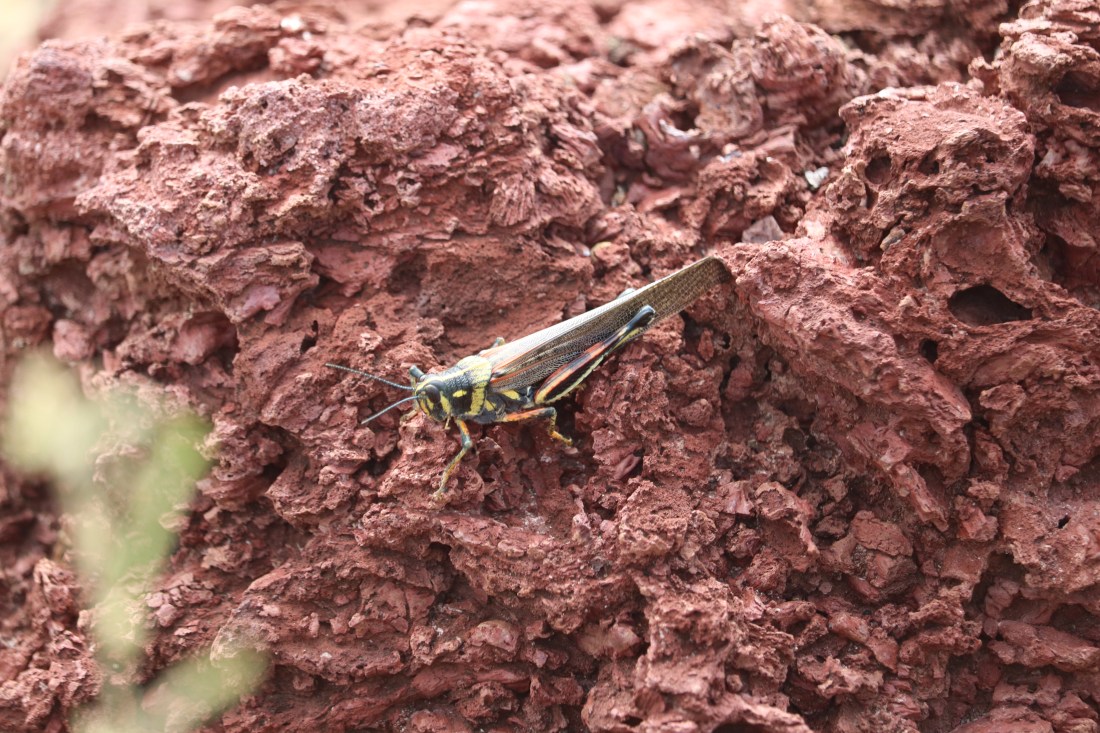
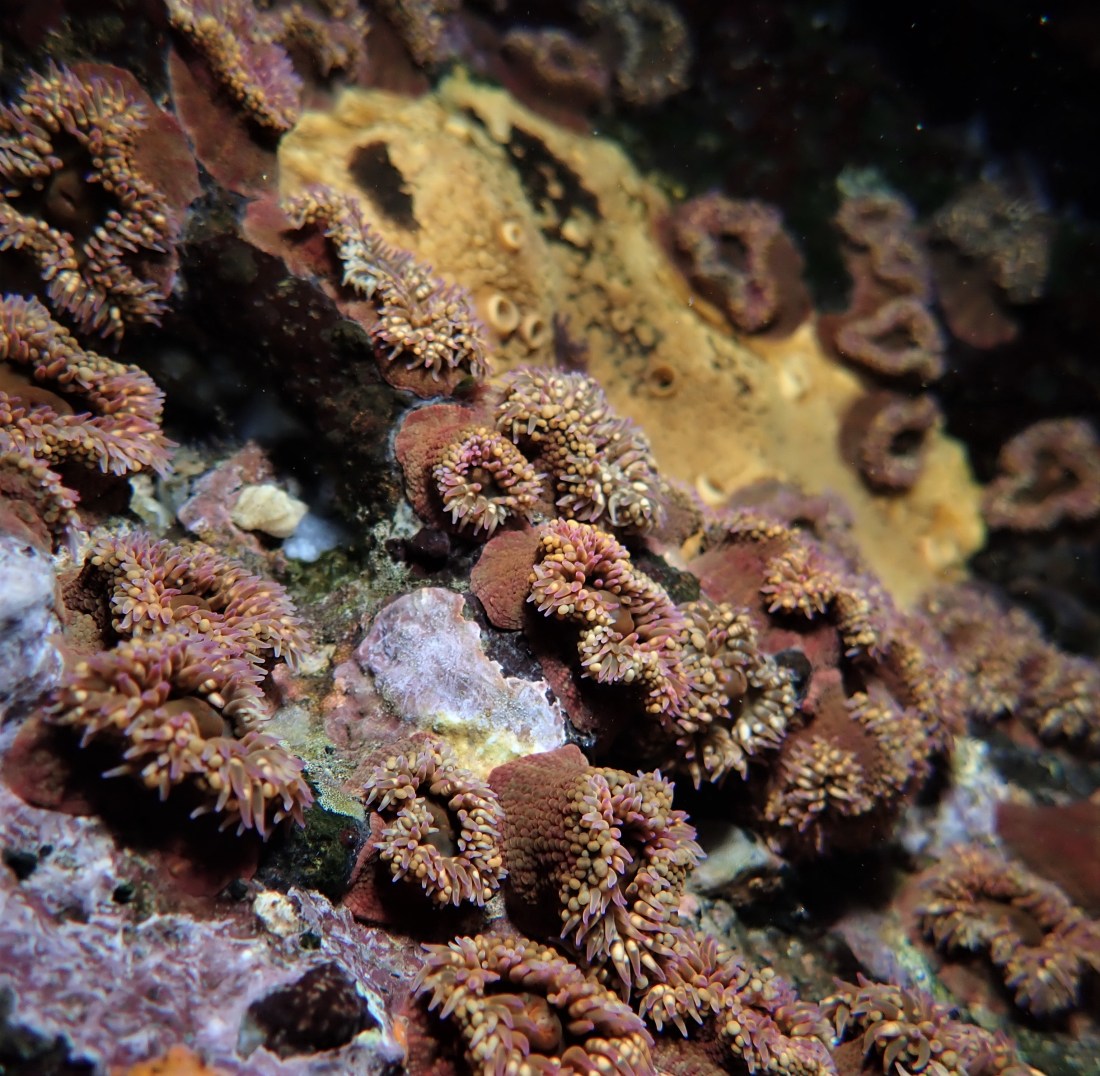
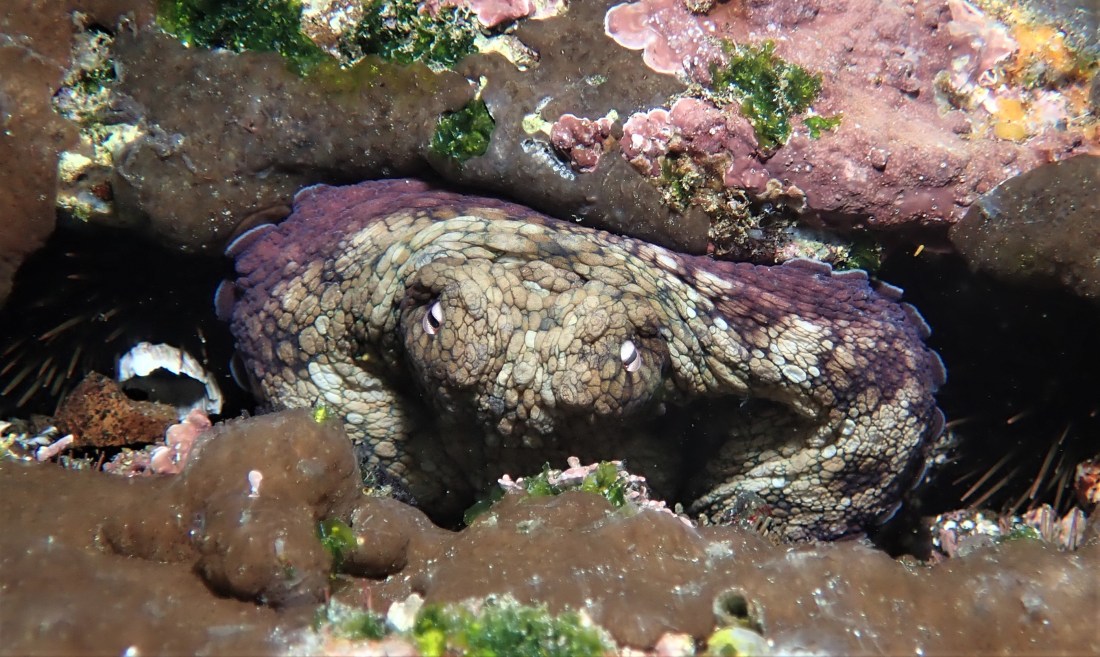
There were a few notable land and intertidal invertebrates.
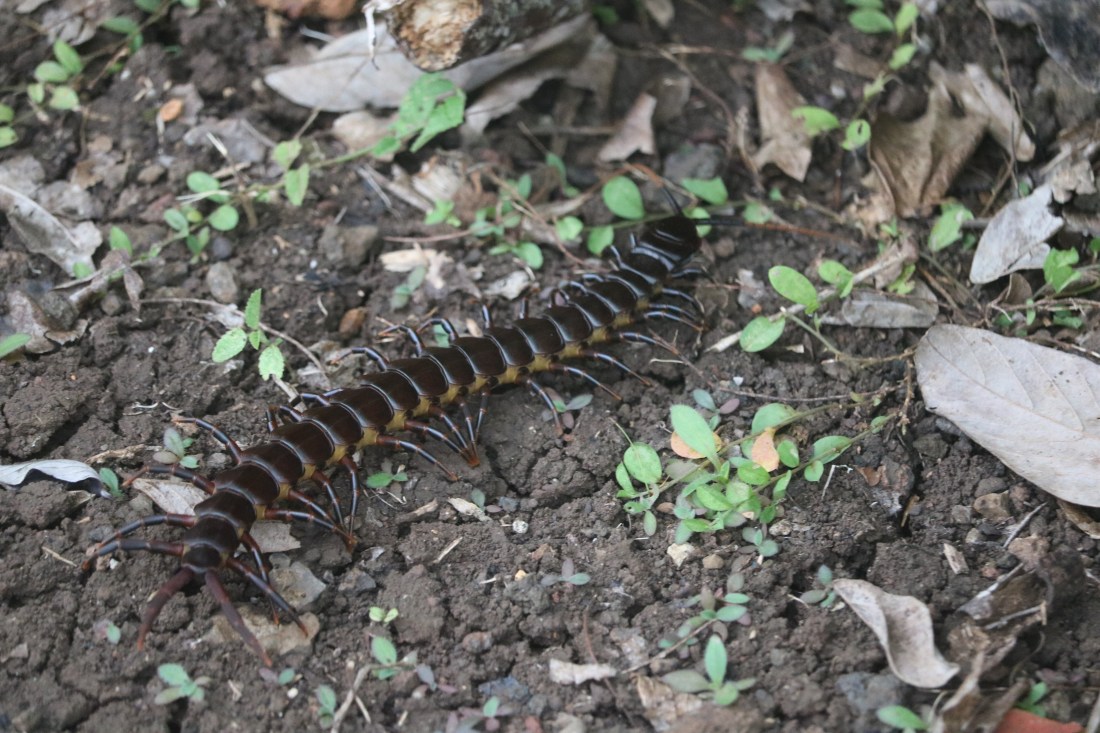
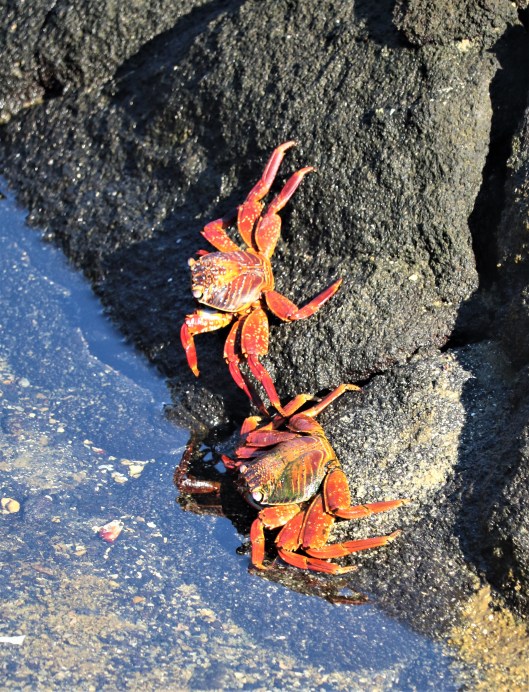
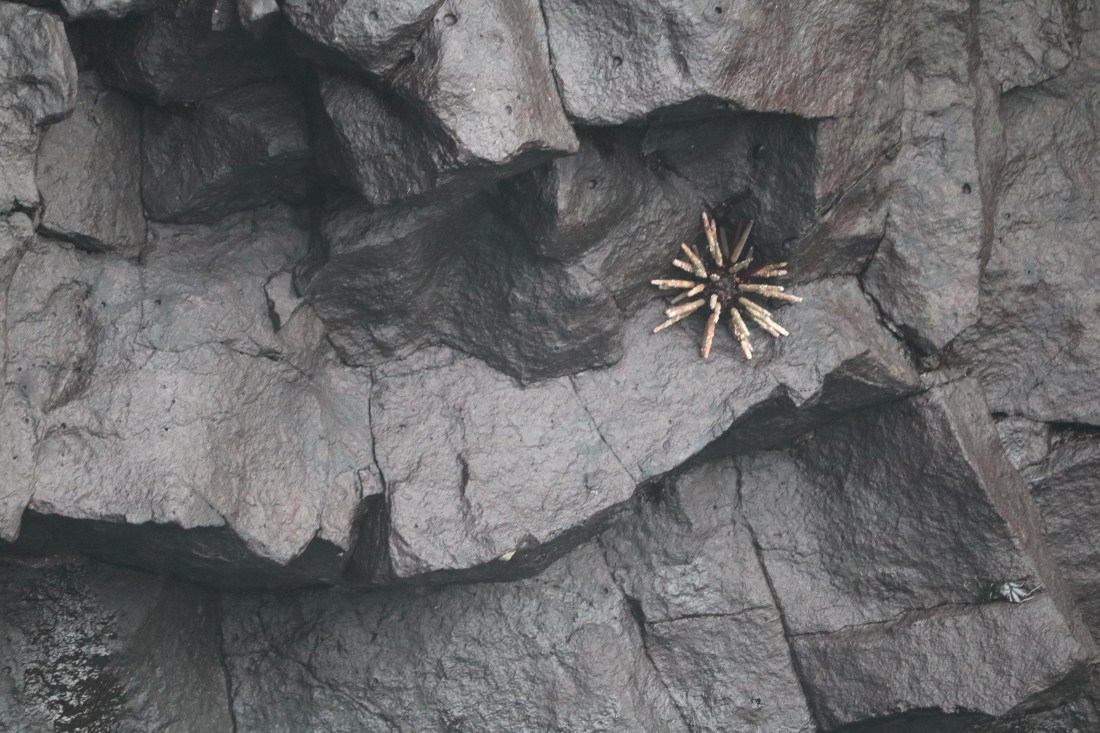
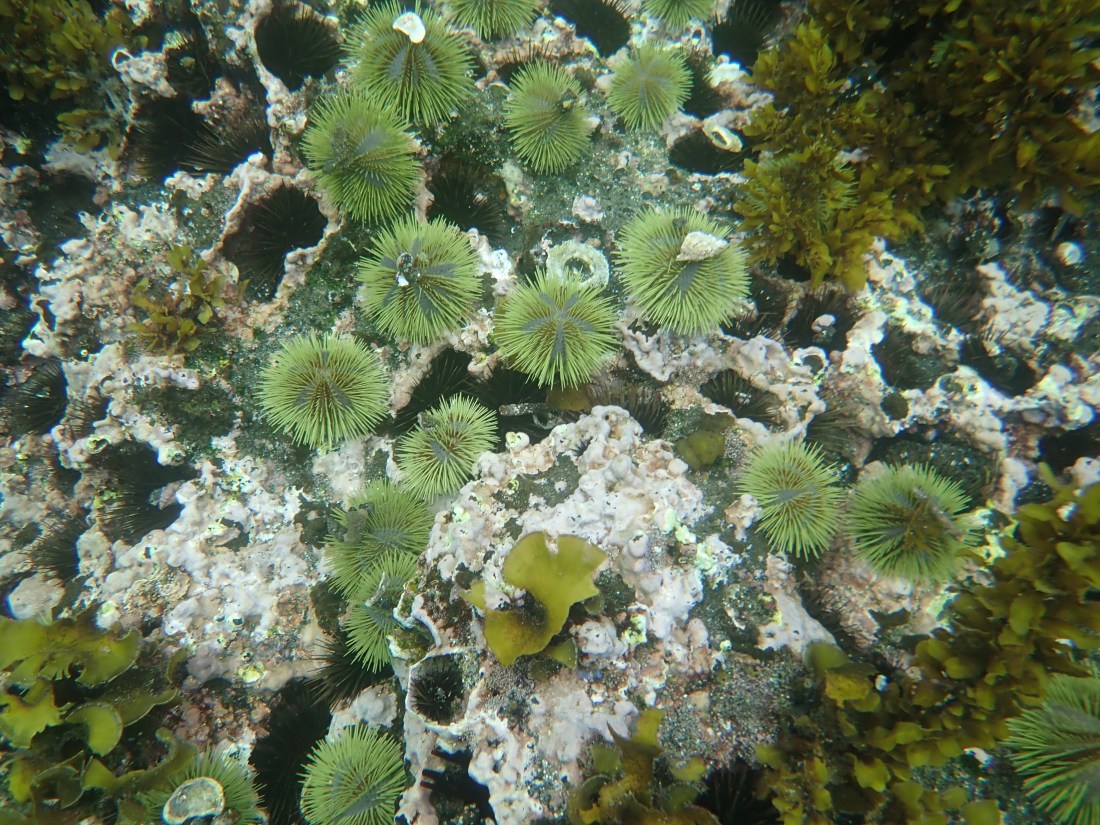
And lots of underwater invertebrates. (Thanks, Don, for all of the underwater pics).


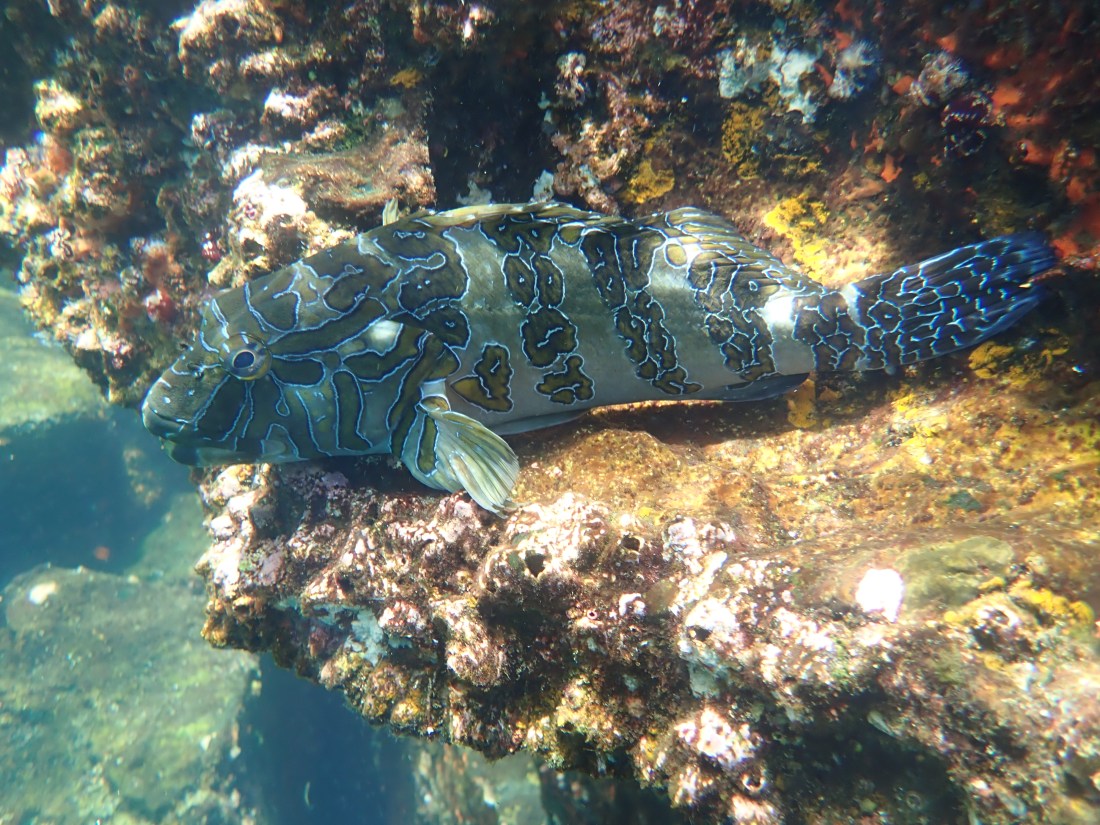
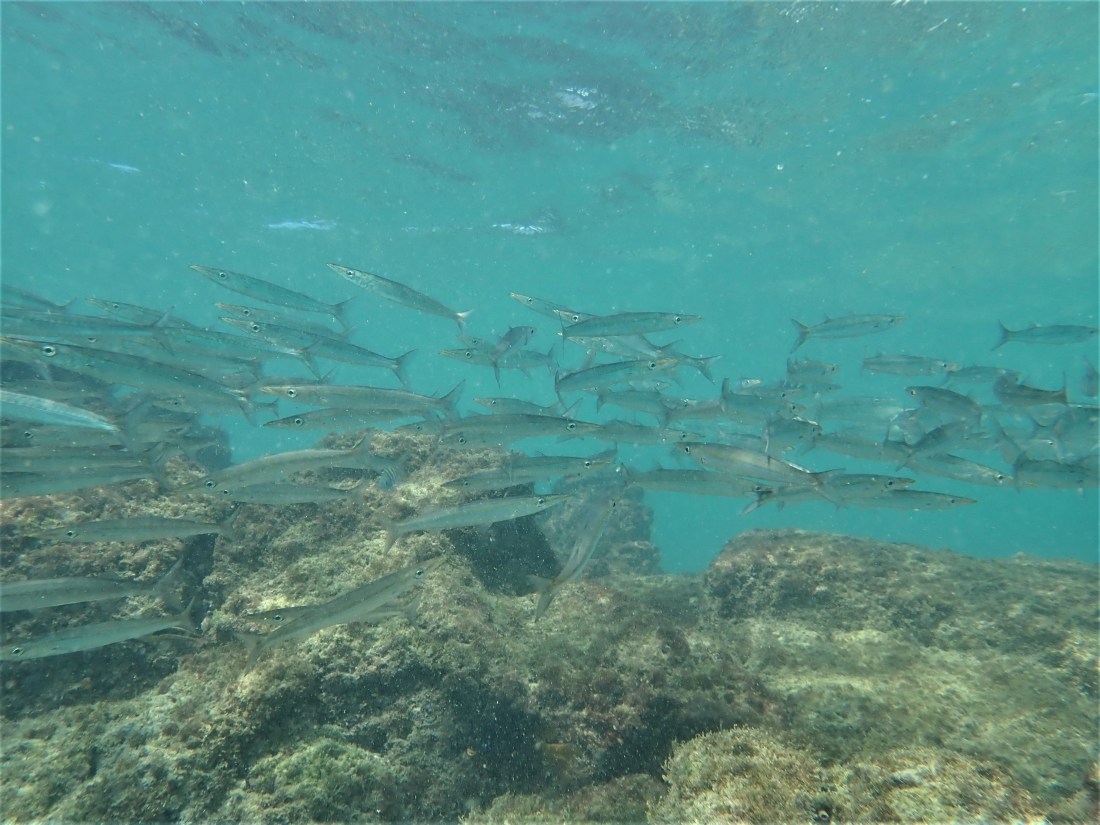
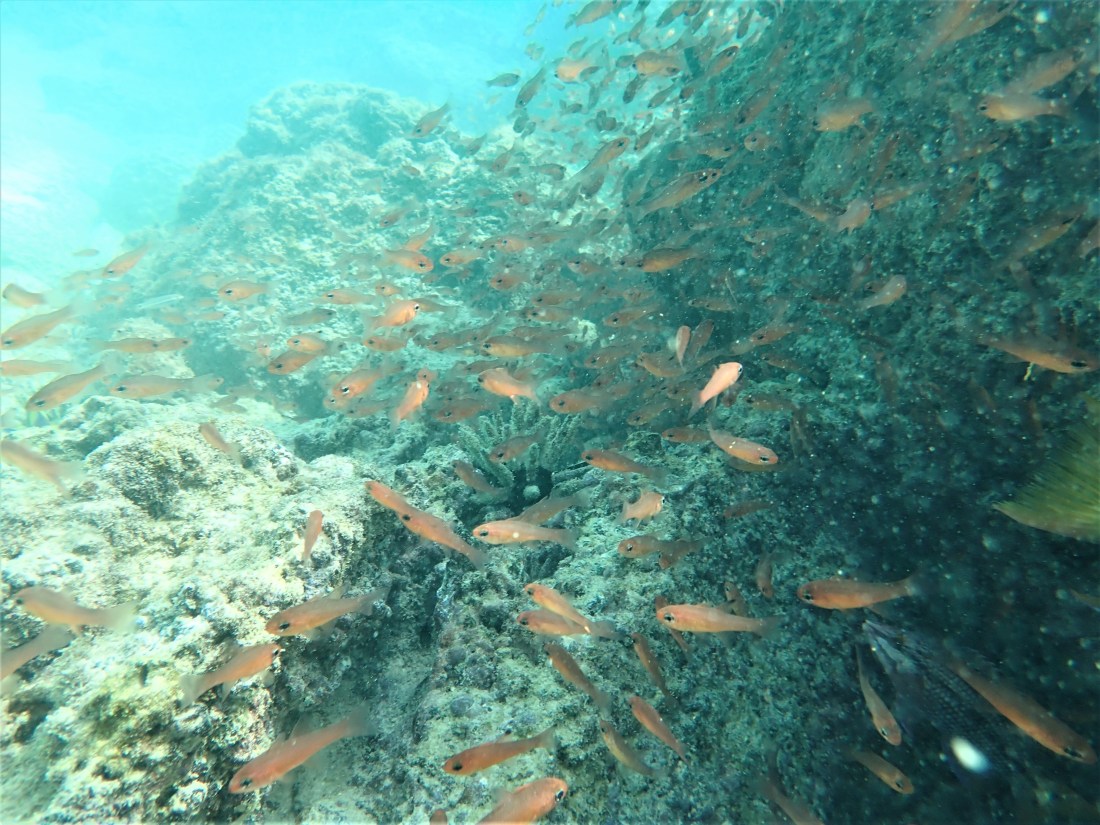
Here are some fish and rays just for fun.


Finally, last but far from least, check out the reptiles!
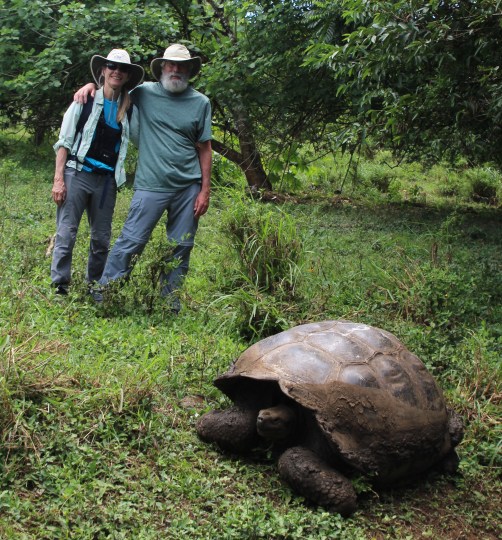
Most of the Galapagos Tortoises that we saw were in research facilities. On our first day, we visited a turtle sanctuary, on San Cristobal Island, where young turtles are raised from eggs until they are big enough to survive most threats from predators. They are then released back into the wild.


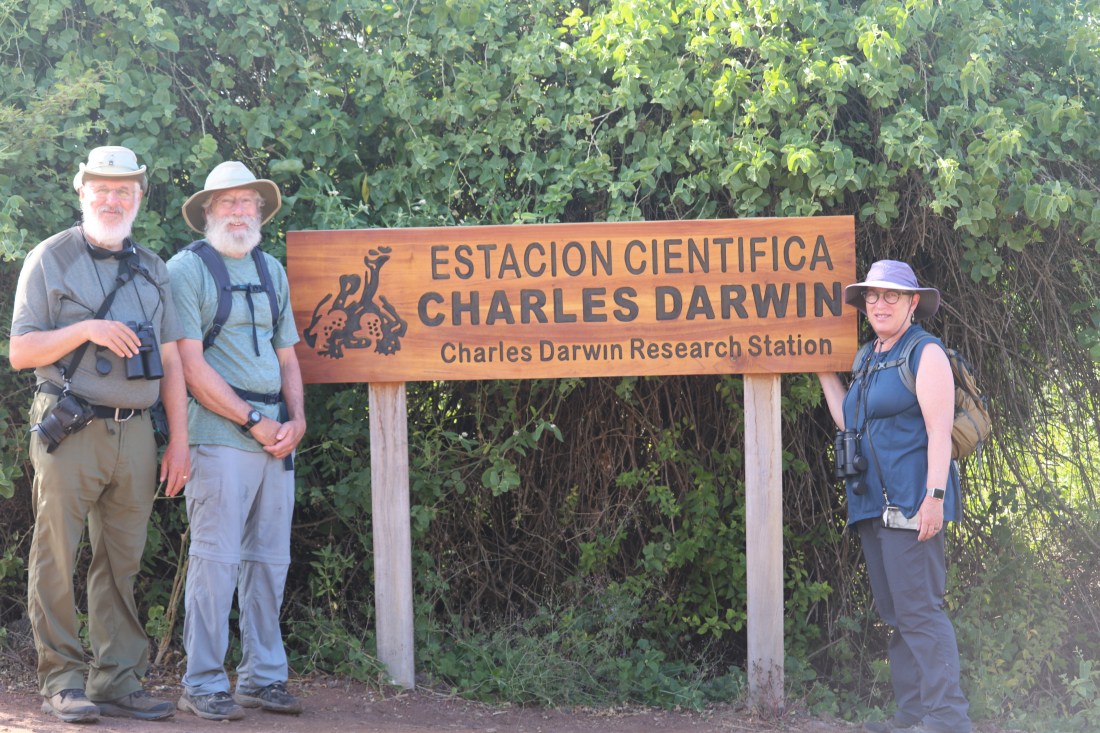
On our last day, we spent time at the Charles Darwin Research Center which houses many different subspecies of Galapagos Tortoises (there are 15 known subspecies) and has an active breeding program to try and help the critically endangered reptiles.
There is a notable difference in the shape of the tortoises shells based on where the subspecies lives. (And no, the Pacific Green Sea Turtle is not a tortoise but it was part of this display).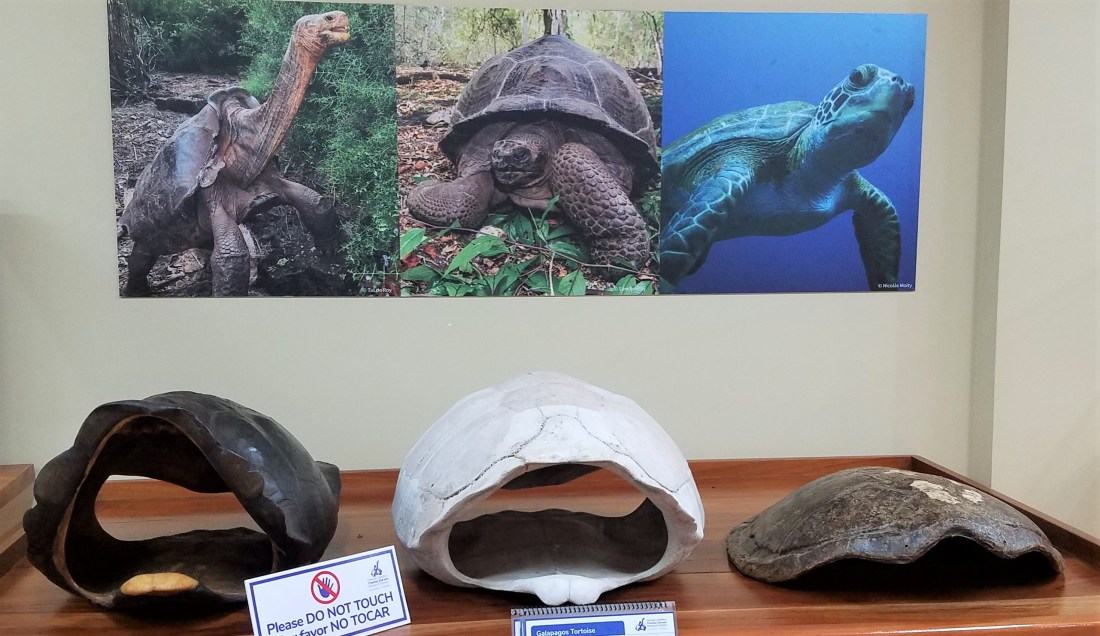 The tortoises with saddle-shaped shells (left) live in drier areas where they need to be able to stretch out their necks to feed on vines, fruit and leaves growing off the ground.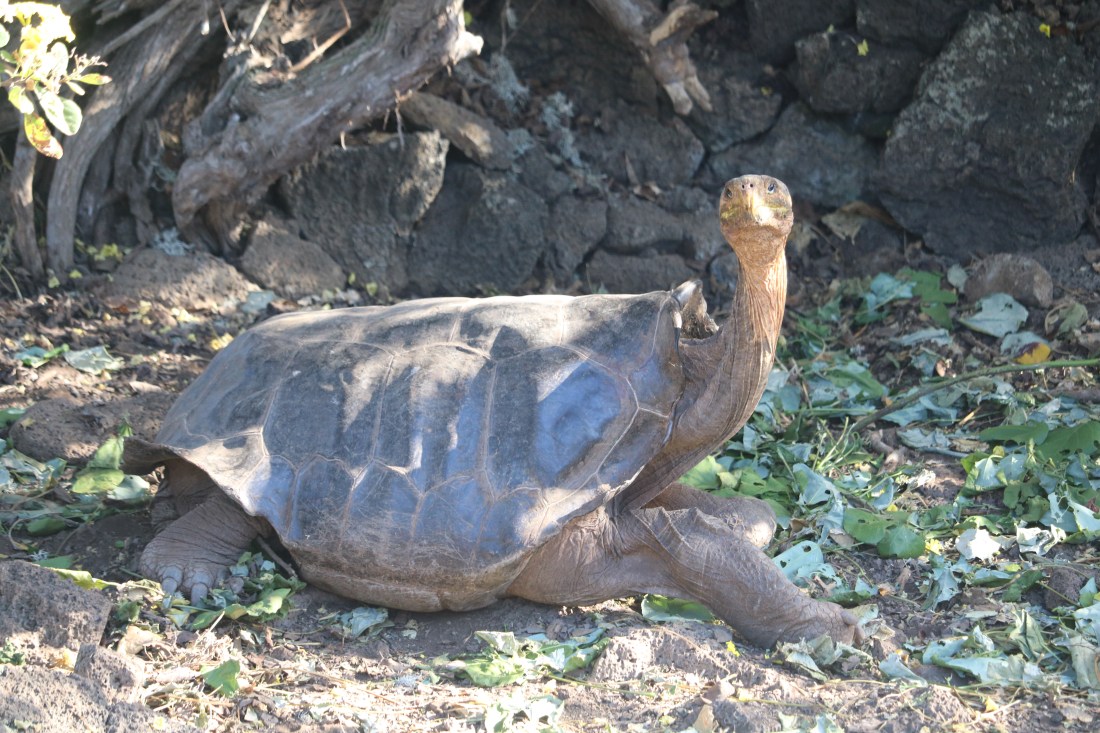
Those with dome-shaped shells live in colder climates, are unable to stretch their necks as far and so graze on grass.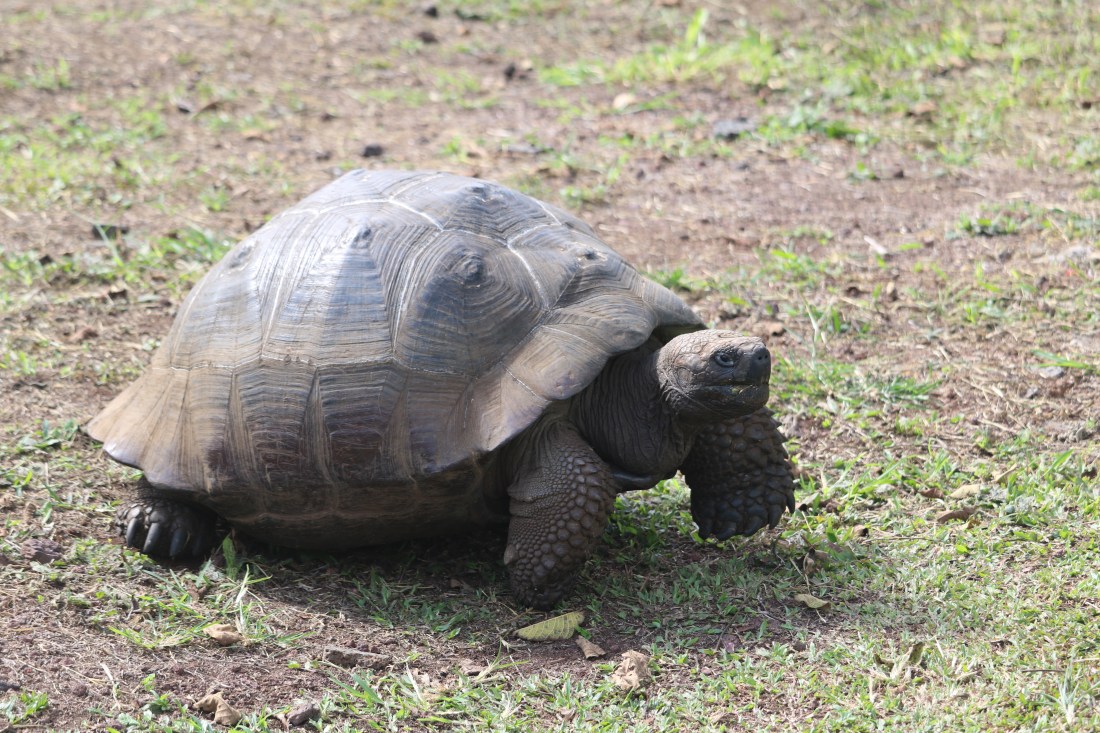
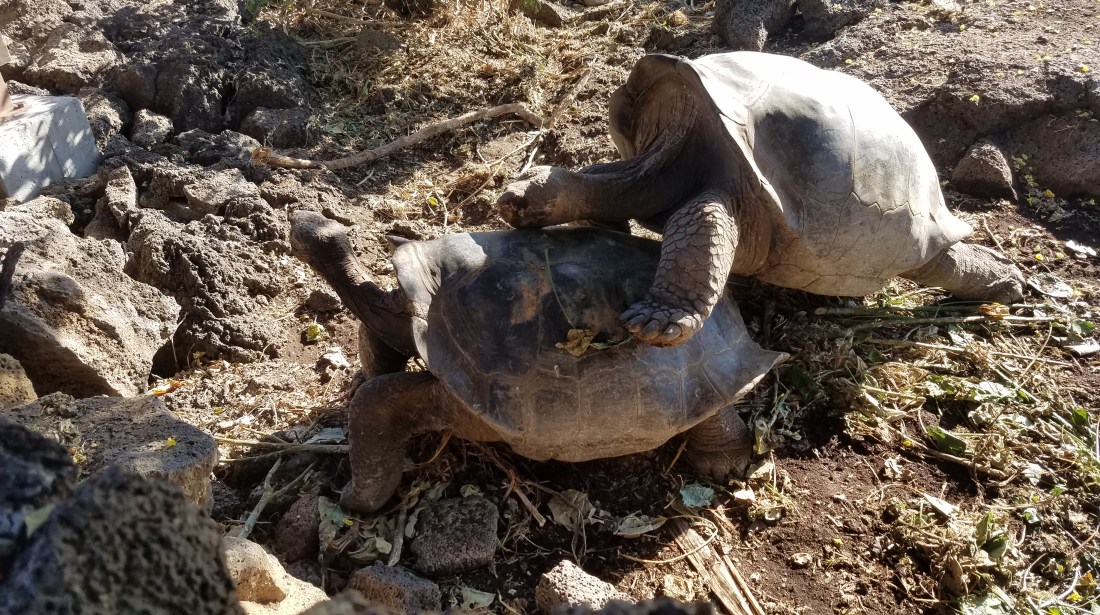
This male wanted to be sure we knew he was earning his keep.
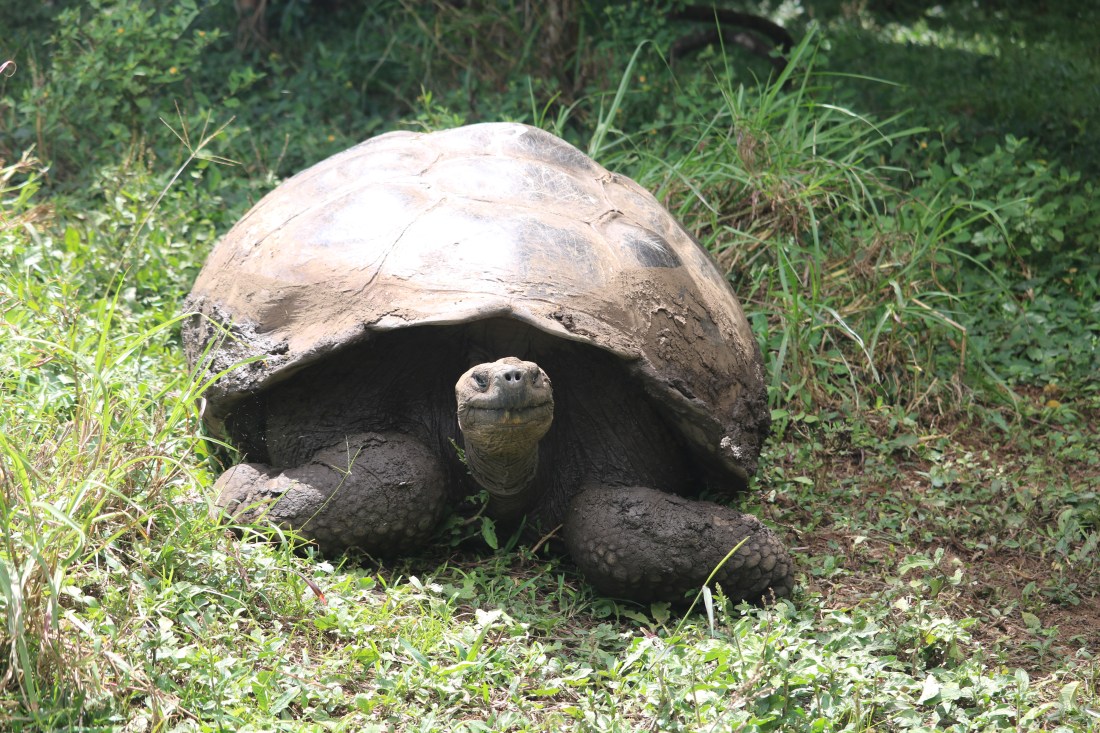
We did see the hind-end of a few tortoises in burrows in the wild and some near a watering hole.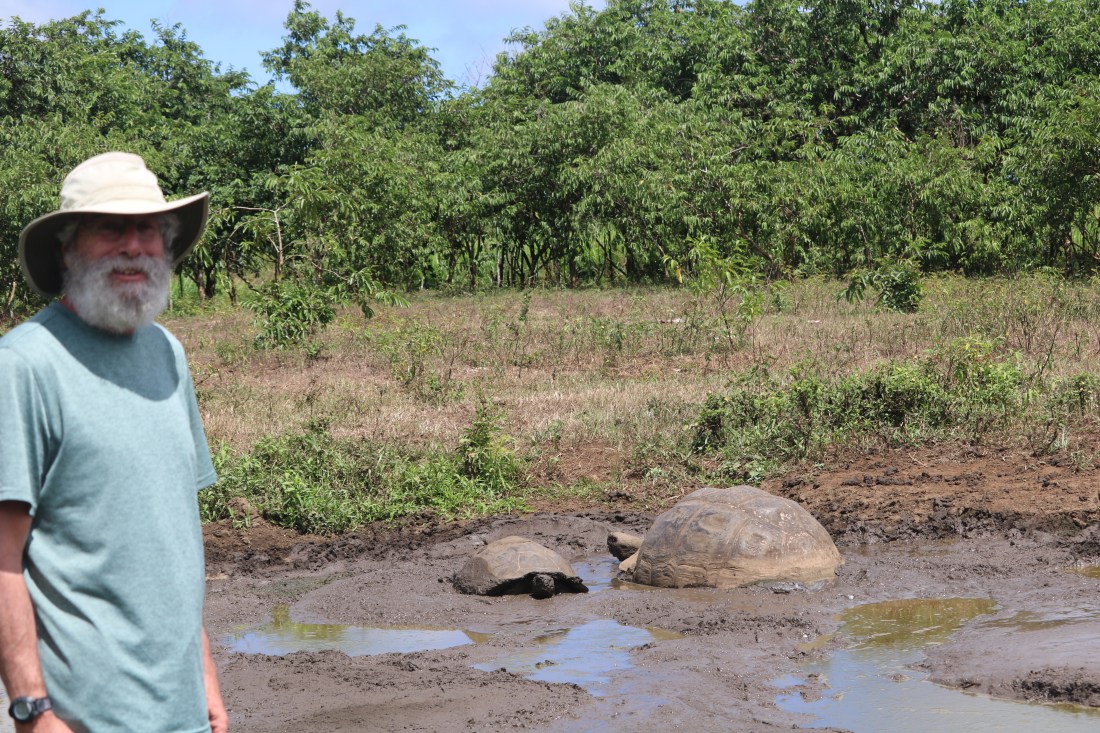
The Pacific Green Sea Turtle, while endangered, seemed plentiful on our trip. We saw them everywhere! Young ones used mangrove roots as a nursery.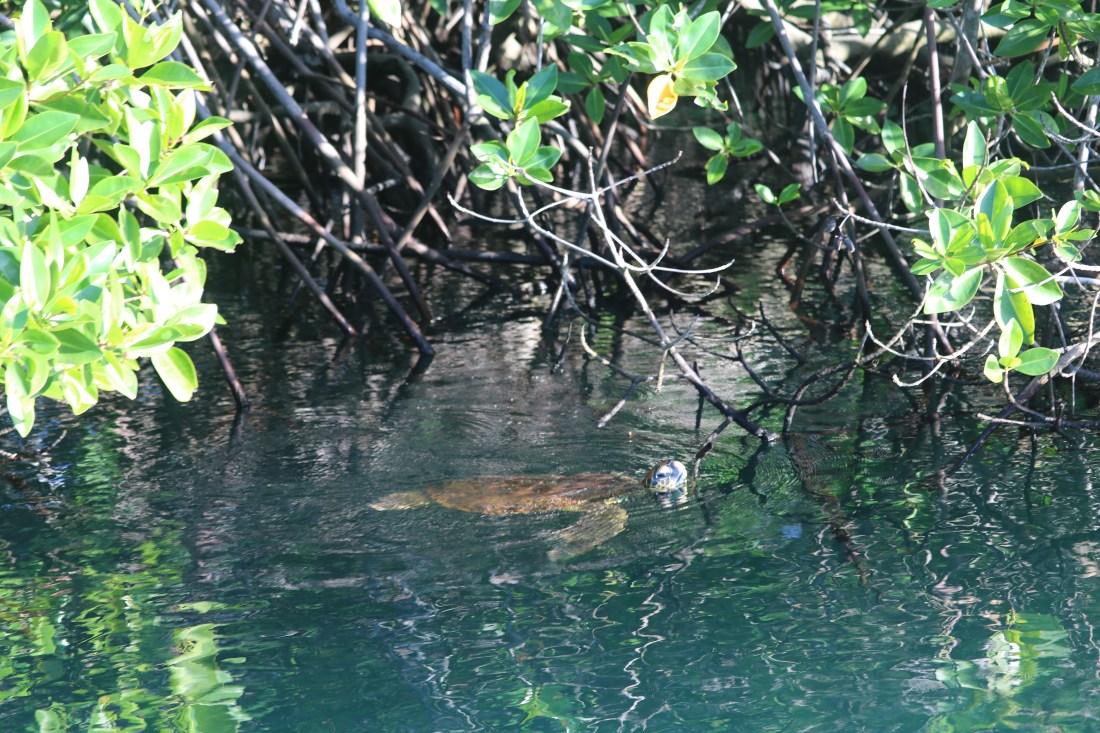
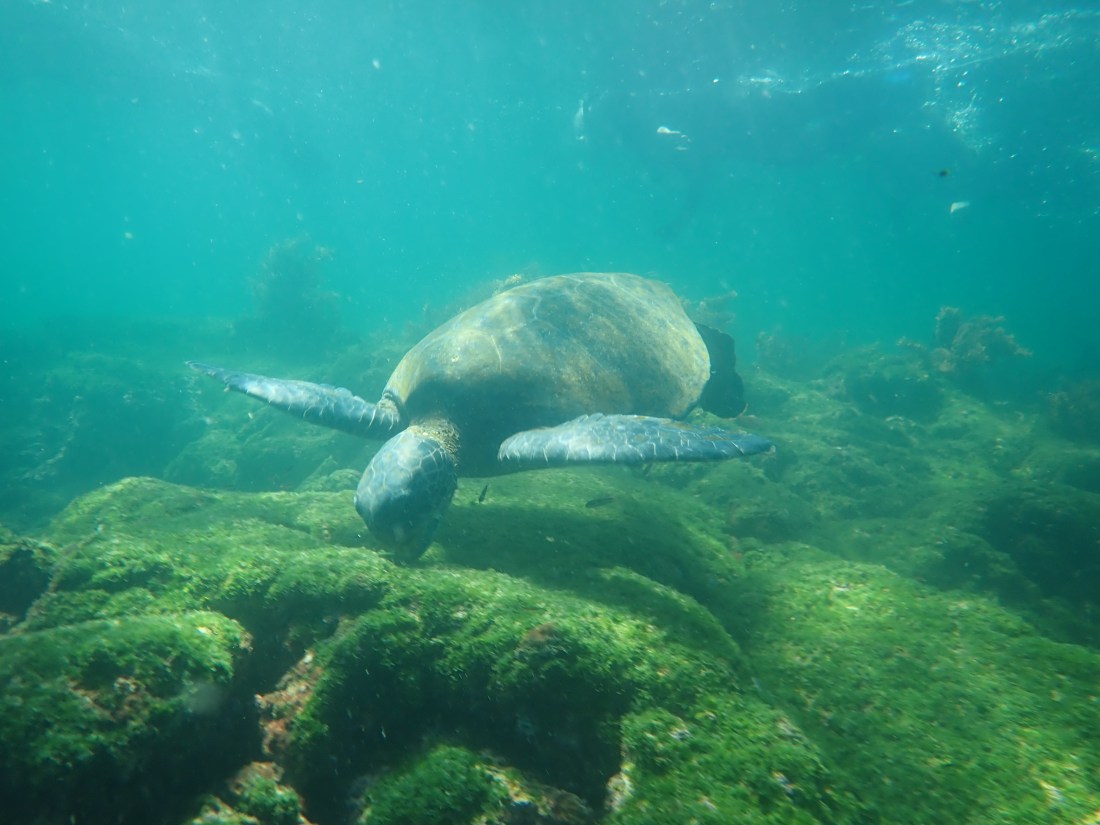
Older ones could be seen grazing on algae.
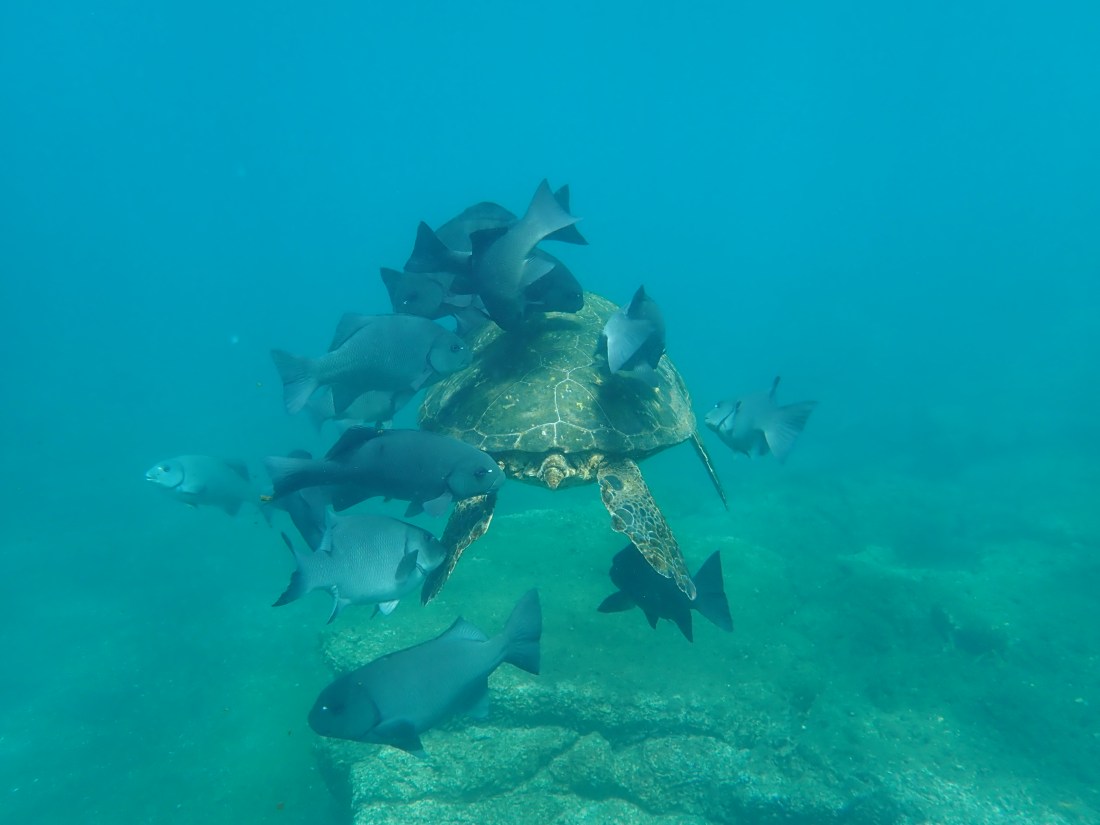
 And in one case, a school of fish was grazing on the algae growing on the turtle’s shell.
Transitioning to lizards, we saw a Galapagos racer snake slither slowly across our path while a Lava Lizard tiptoed nervously across a log above it. These snakes are more toxic to prey than people.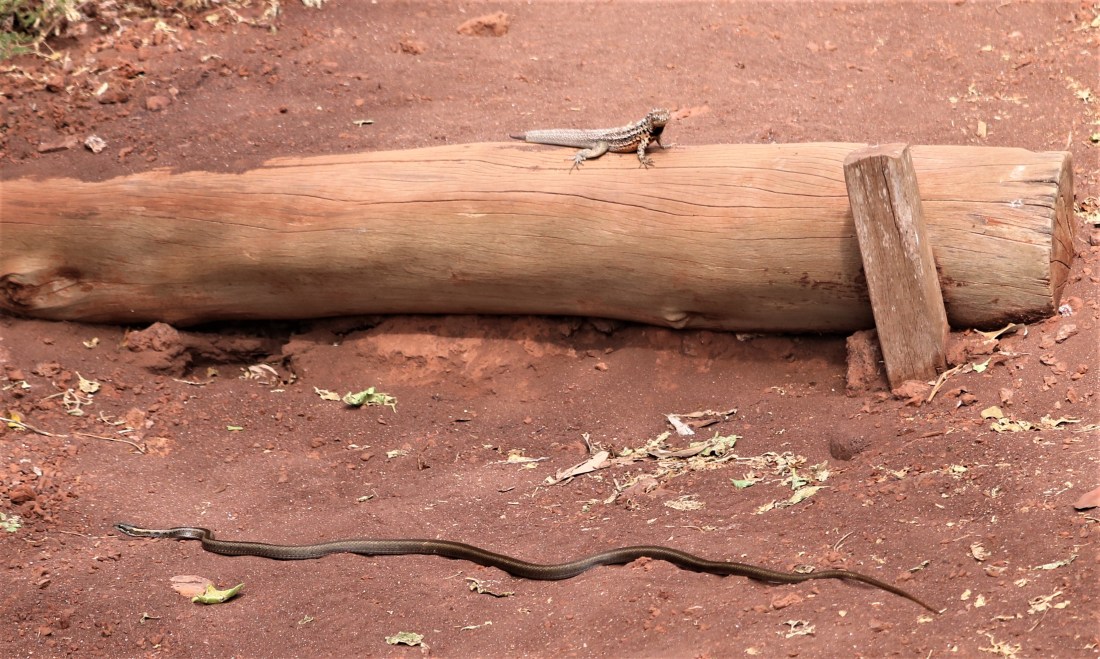
The Lava Lizard with the red head is the female.


The much bigger Land Iguana was truly a dinosaur.


These two iguanas, one young male challenging an older male, fought for over 2 hours.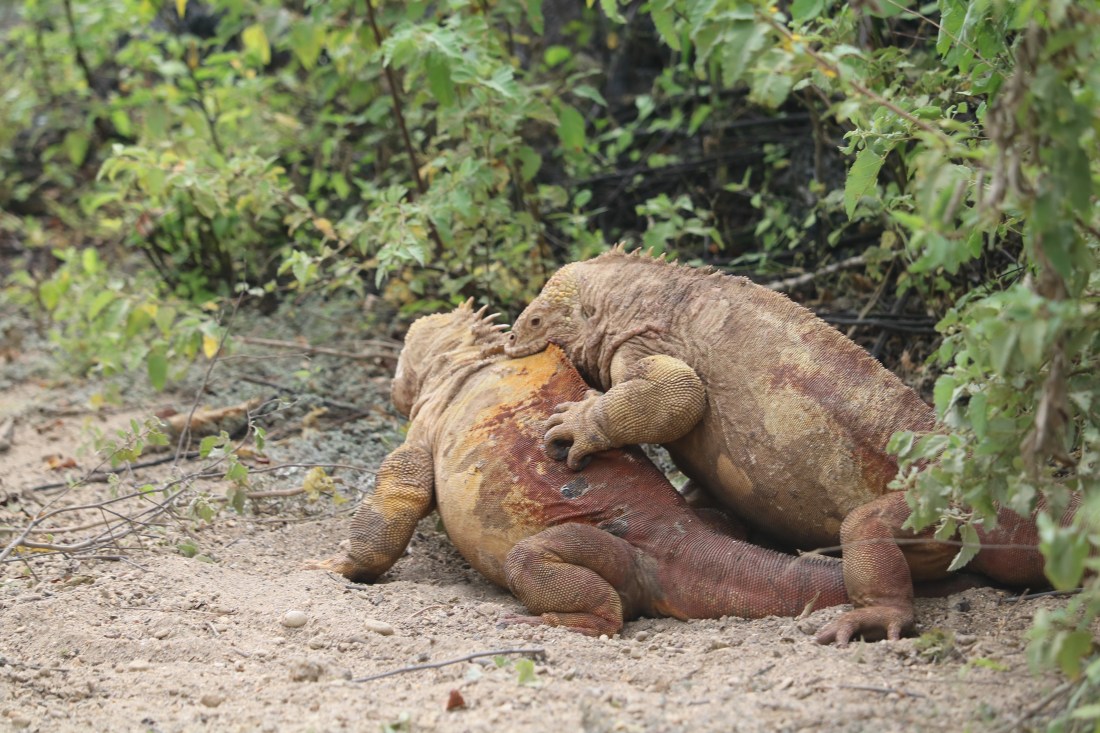
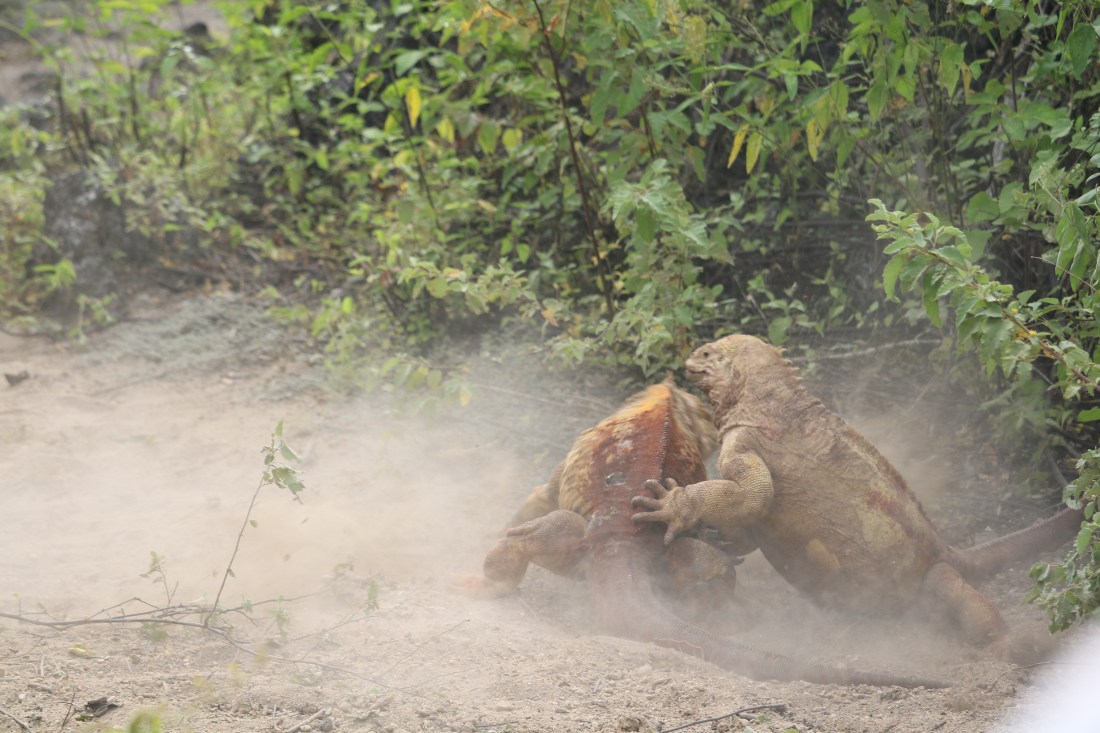
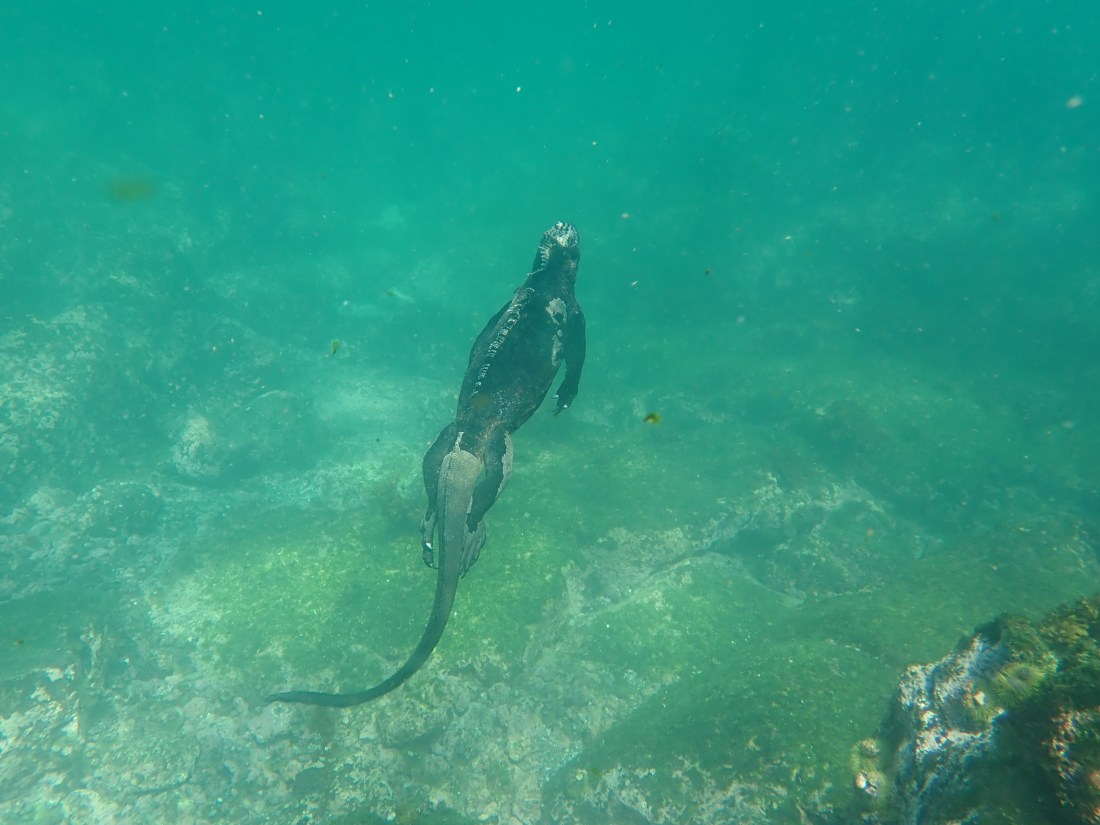
Land Iguanas are weird enough. Marine Iguanas are from outer-space.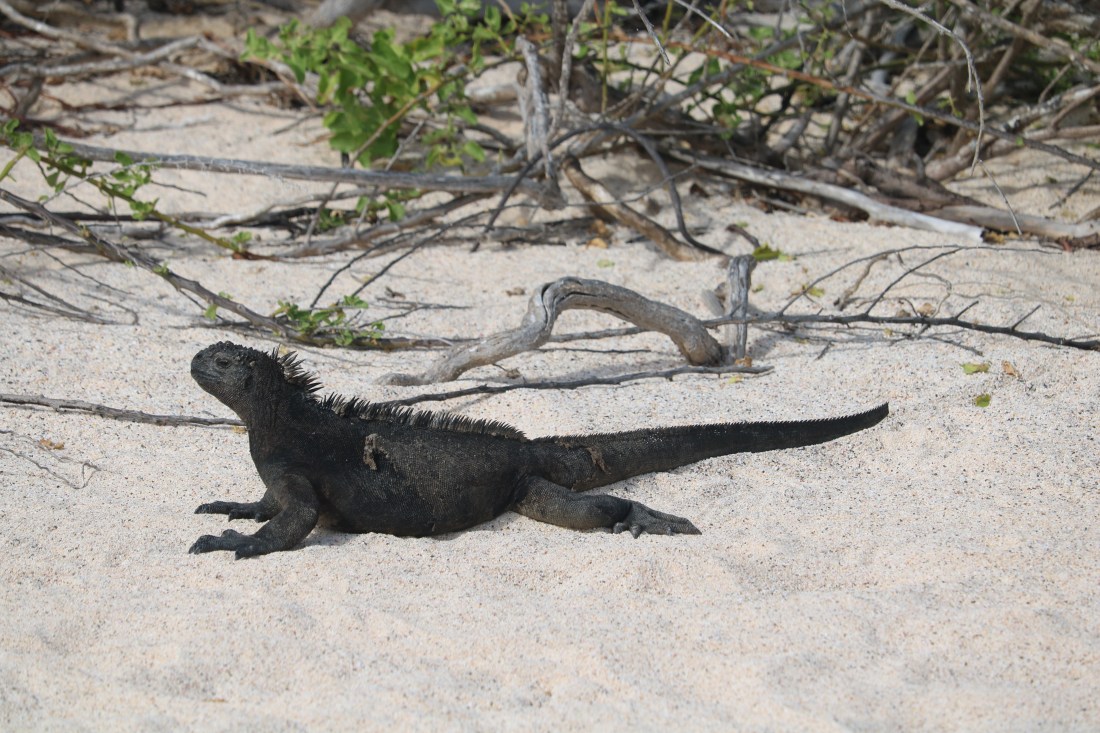


They lie around in piles to gather warmth from the sun and then slowly peel off and saunter down to the water to feed.
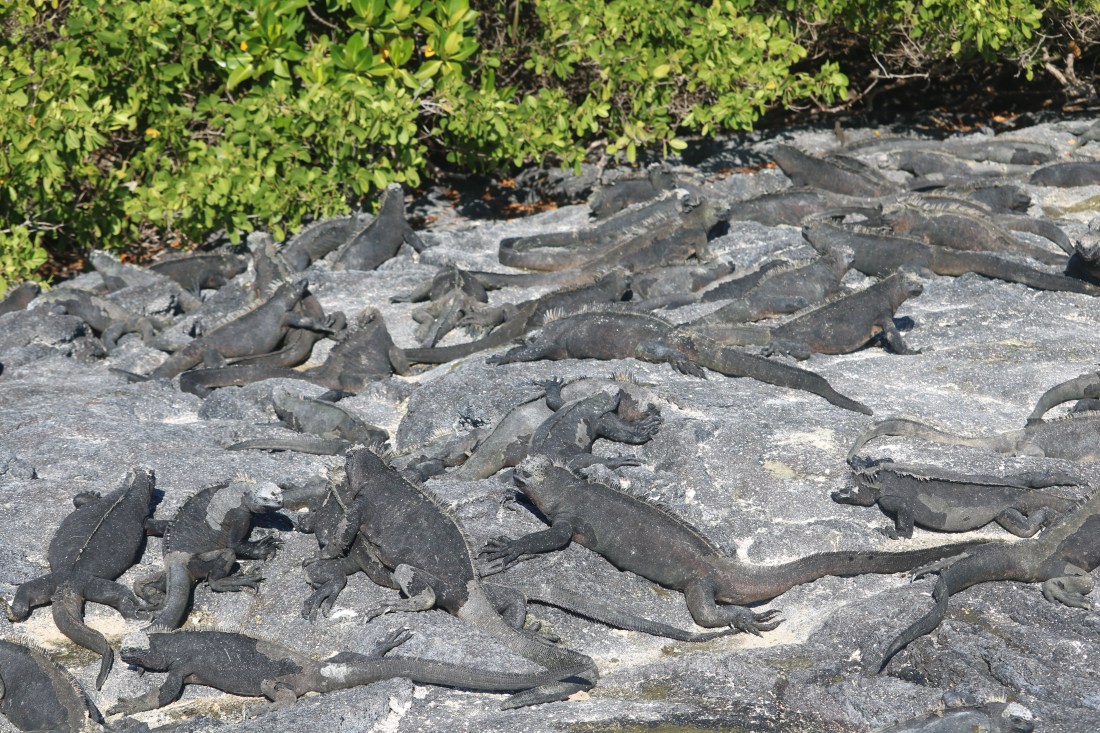
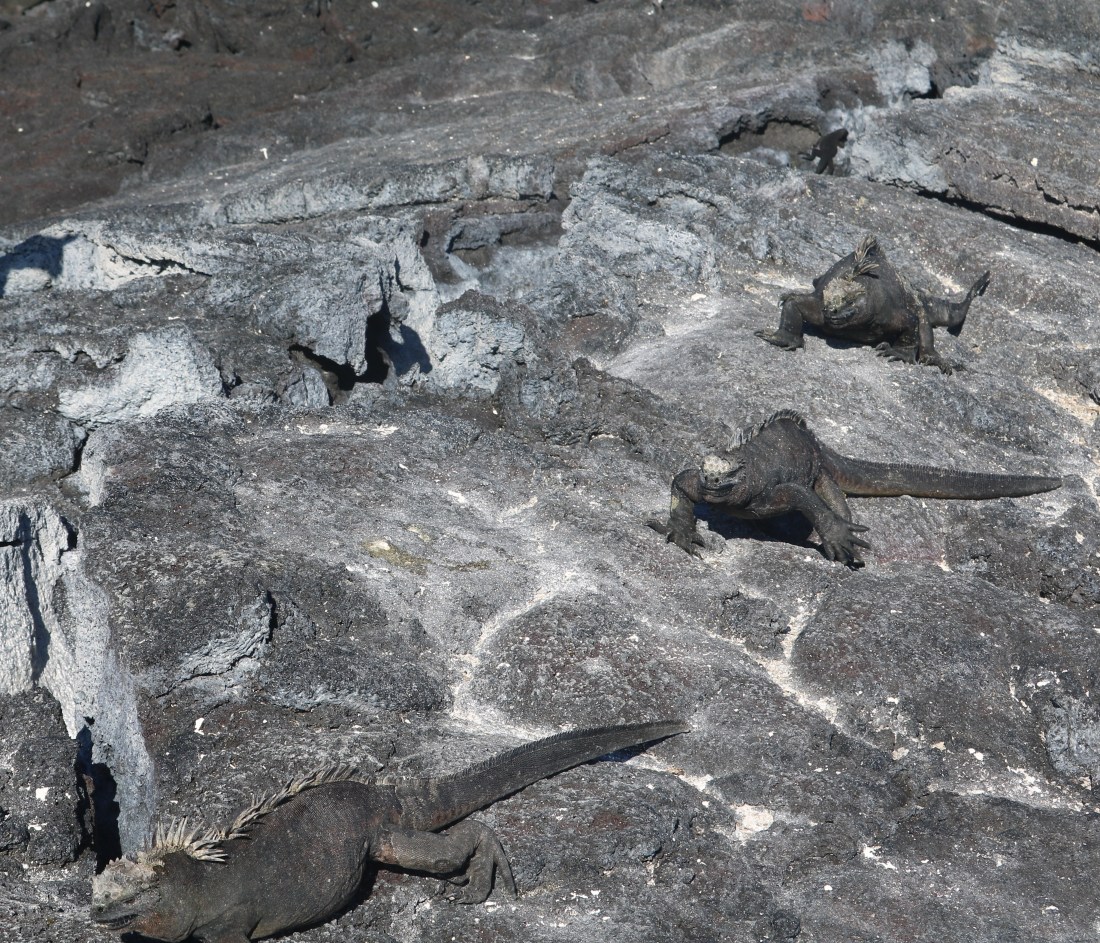
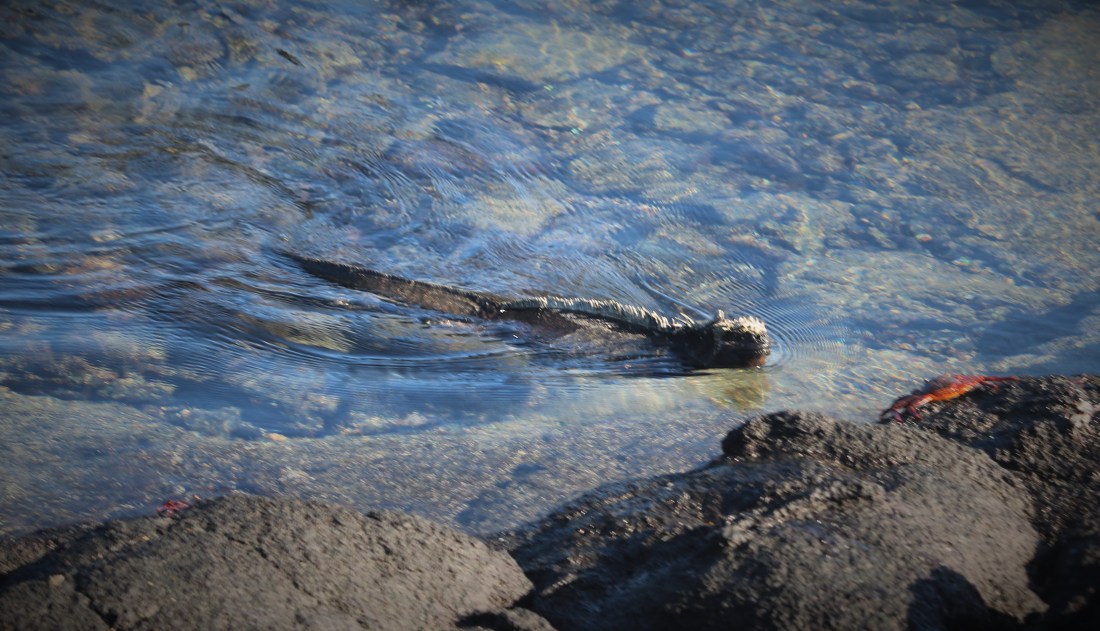
It was even cooler snorkeling and watching them swim and graze underwater.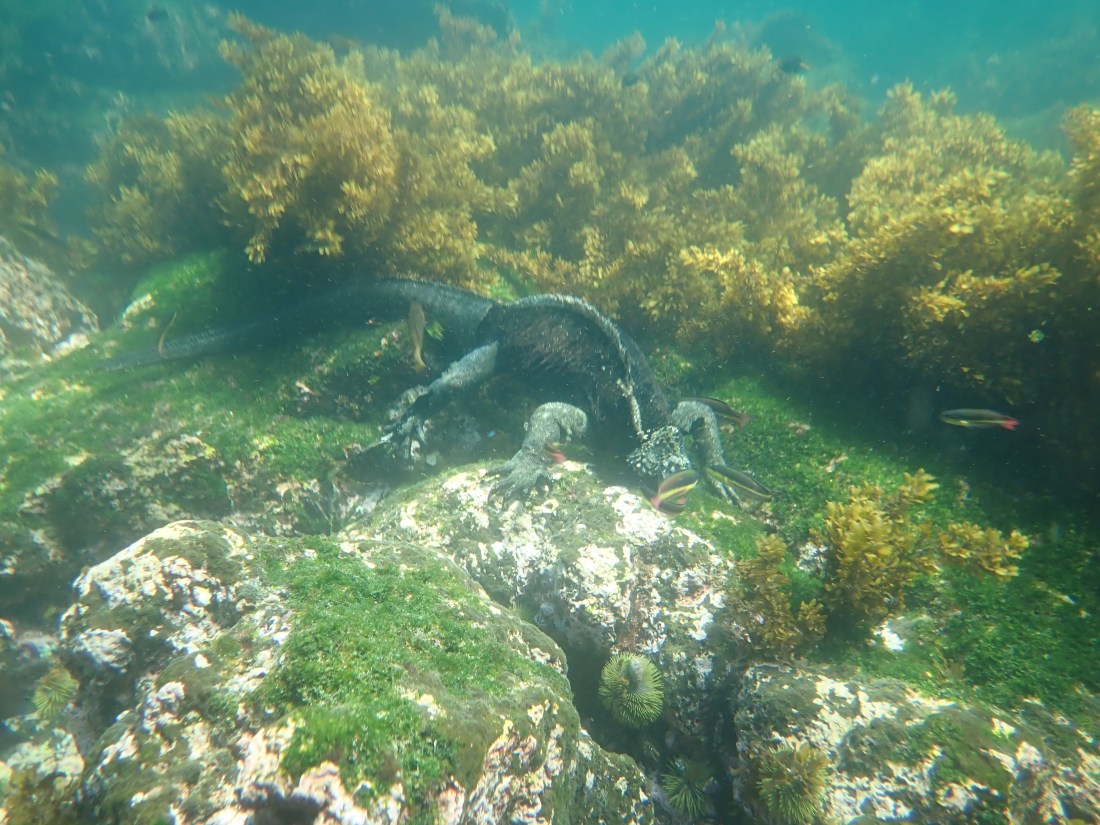
If you have ever considered travelling to the Galapagos. GO!! It is such a unique place and totally bucket list worthy.
 Chelsie and Don's Excellent Adventure Continues
What an extraordinary experience. Bucket list worthy indeed. Thanks for sharing.
LikeLike
Great photos, thanks. It is an mind blowing experience. Your photos really bring it to life!
LikeLike